Ceer has unveiled the Exobot sedan and SUV. The Saudi Public Investment Fund–Foxconn joint venture says its advantage is how it integrates familiar EV technologies to deliver a better driving experience. That is the company’s claim, not a comparative test result.
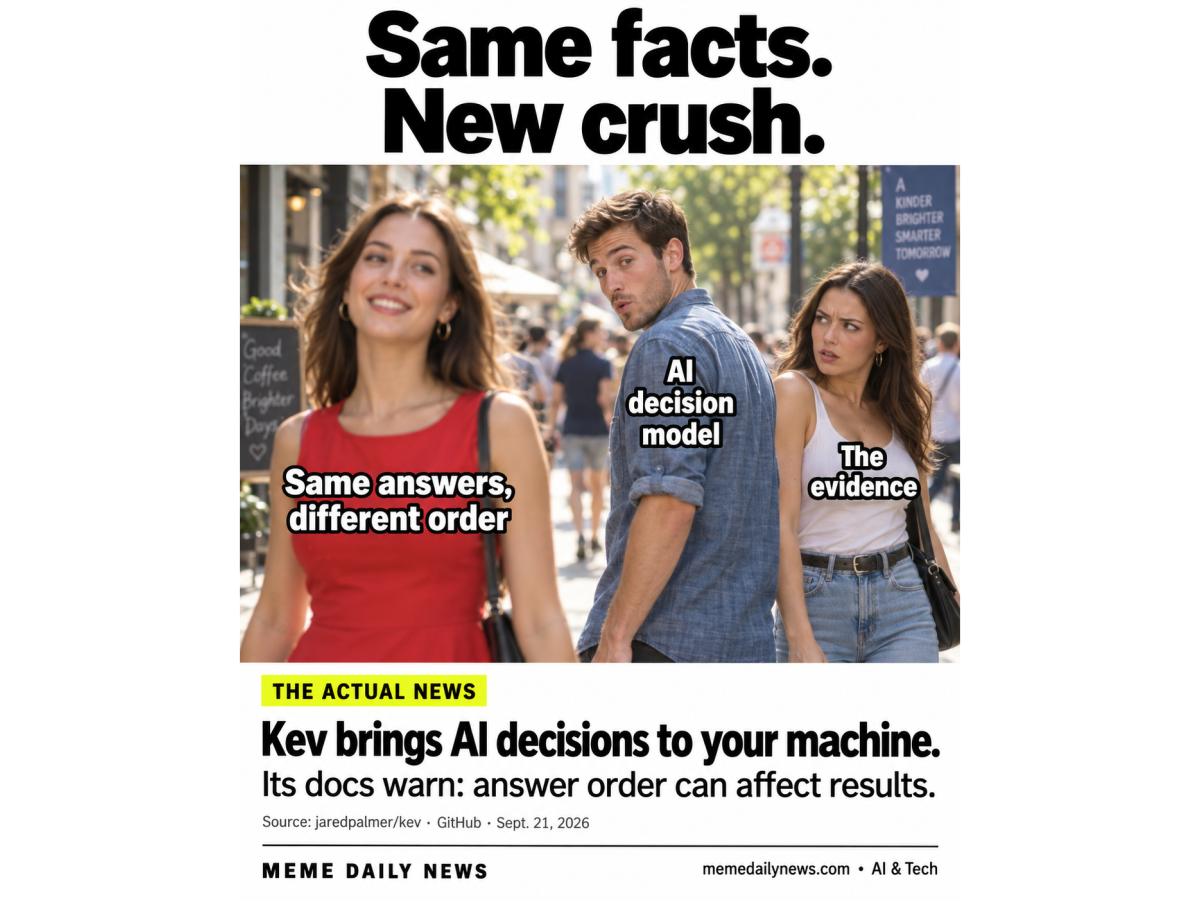
Kev is a family of small Qwen3.5-based decision models that developers can train and run themselves, according to its GitHub documentation. The project supports yes/no questions, multiple-choice decisions and ratings in one request, returning probabilities rather than just labels. It offers a local route to structured text decisions, with documented hardware and accuracy trade-offs.
Your returned air fryer might have a second act. Buywander announced a $21 million Series A to expand its marketplace for returned and overstocked retail goods. Shoppers bid in online auctions starting at $1, then collect their purchases at local warehouses. For these founders, someone else’s returns problem is a business opportunity.
In 2014, Jake A. Smith wrote a 174-line PHP compatibility fix as a stopgap for AOL’s CMS. Twelve years and nearly 20 million cumulative Packagist installs later, he has deprecated it. The package remains installable, but it will receive no new fixes. “Temporary” has officially entered its retirement era.
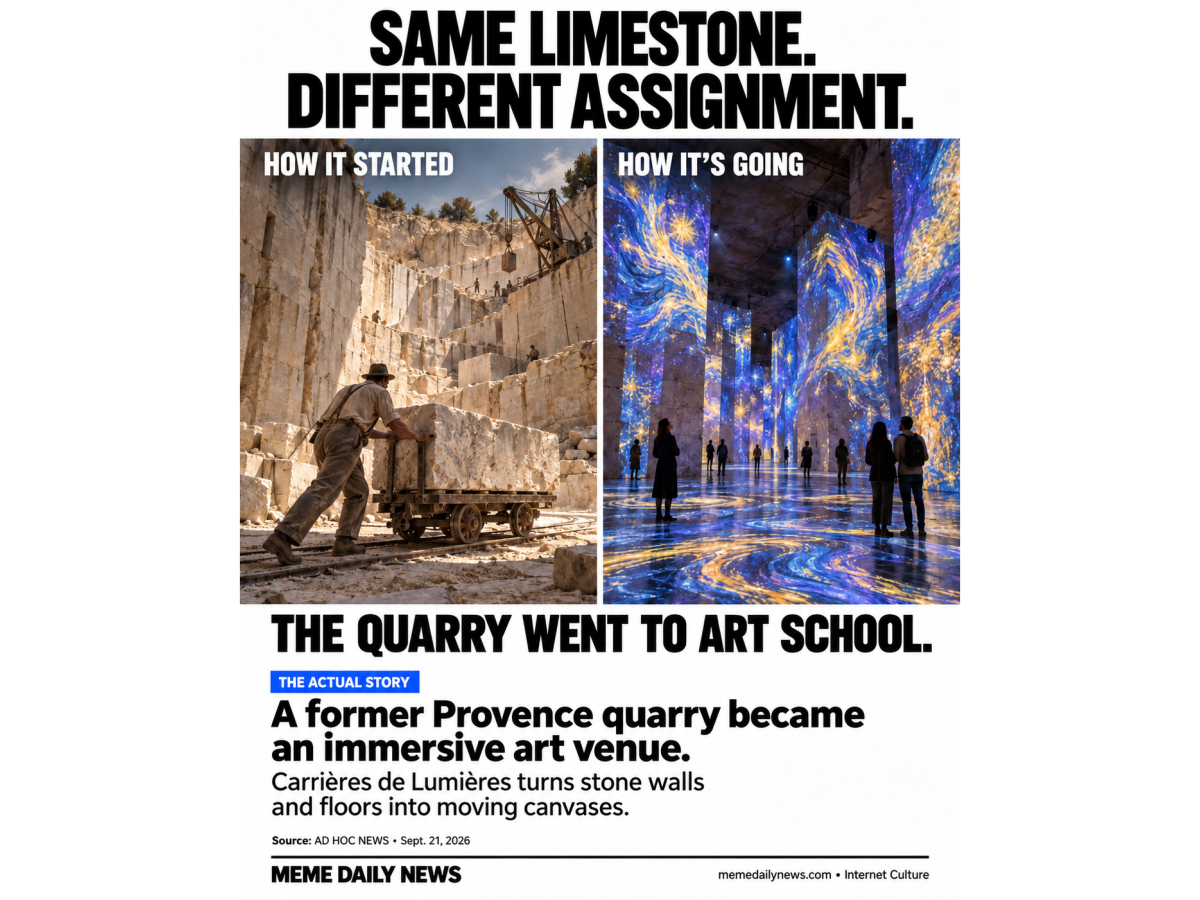
A former limestone quarry near Les Baux-de-Provence doubles as a room-sized canvas—on every side. According to AD HOC NEWS, Carrieres de Lumieres uses video projections and music to spread moving artwork across stone walls, pillars and floors, giving an industrial space a cultural second life rather than hiding its excavated structure.
JEEVMEDIA has announced EYDIT, a dedicated post-production agency for creators and technology brands, according to MediaNews4U. The company says the new vertical addresses an editing bottleneck that limits content output, offering services from short-form clips to AI product demonstrations with an emphasis on pacing and viewer retention.
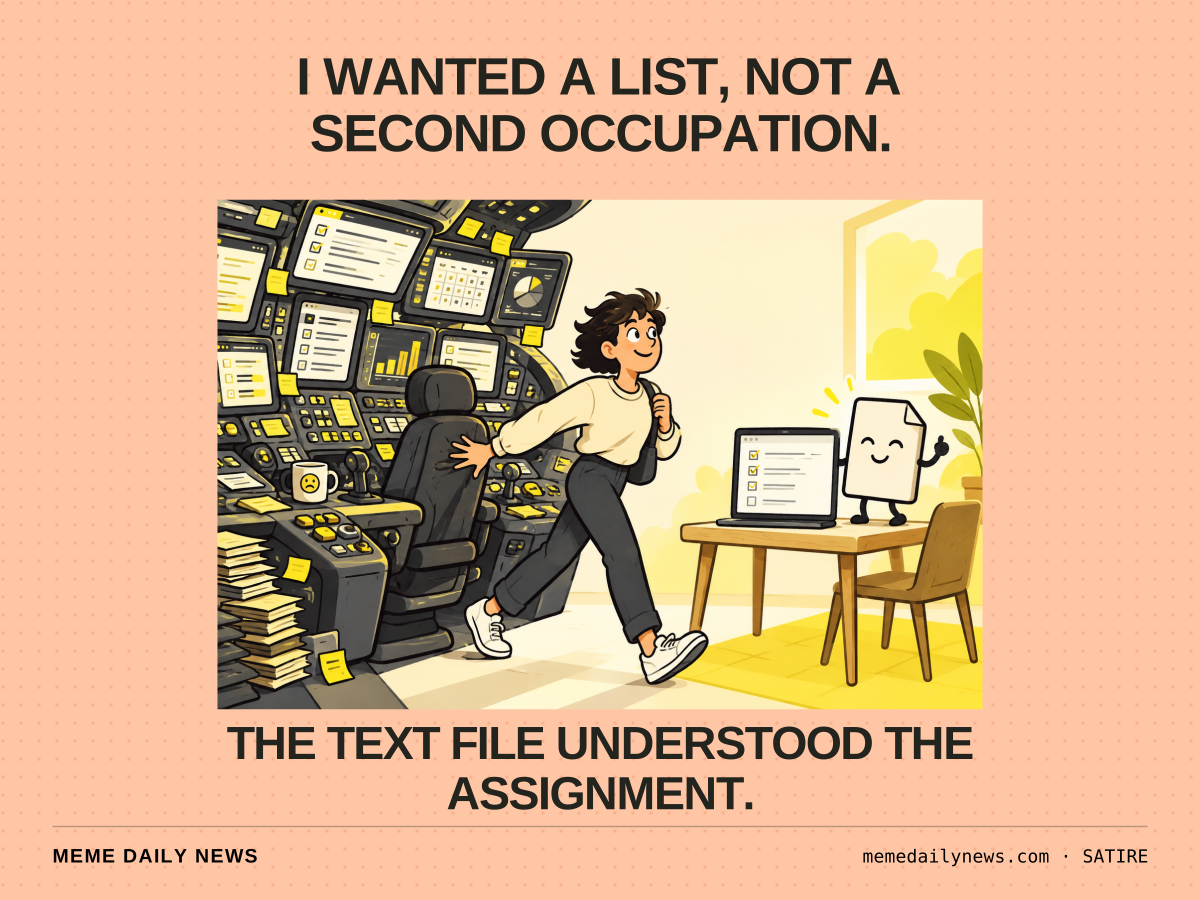
Tasks.txt takes a stripped-down approach to task management: a free Mac app that keeps lists in readable text files on your computer. In a WIRED review, the app offers keyboard controls, task categories and an archive without a sprawling interface. Local, editable files also give users a straightforward way to move their tasks elsewhere.
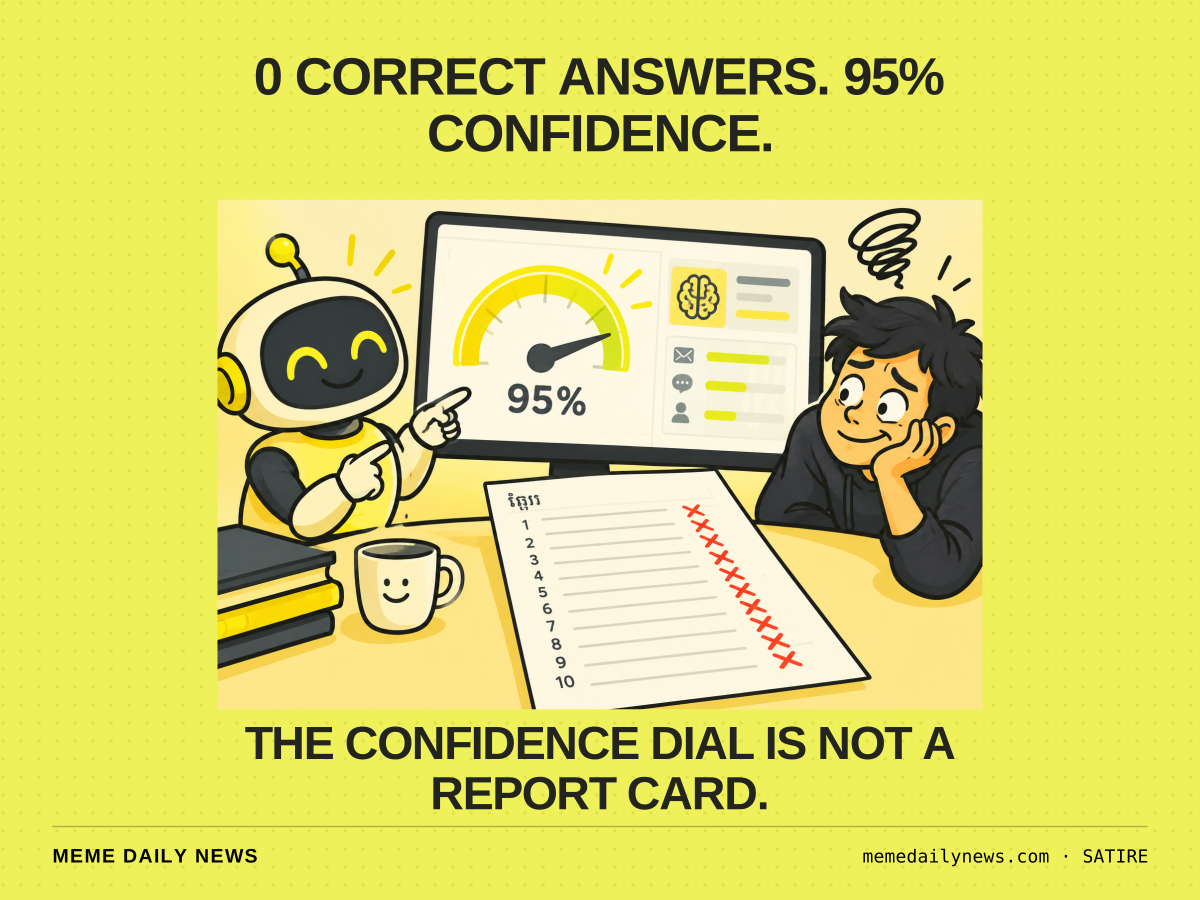
Laya's developers describe an open-weight AI model family that returns structured decisions rather than generated text, reporting 32.8-millisecond inference on a single GPU. The project targets tasks such as email triage and support routing, but its own tests underscore important limits: performance depends on language routing, task-specific training and calibration.
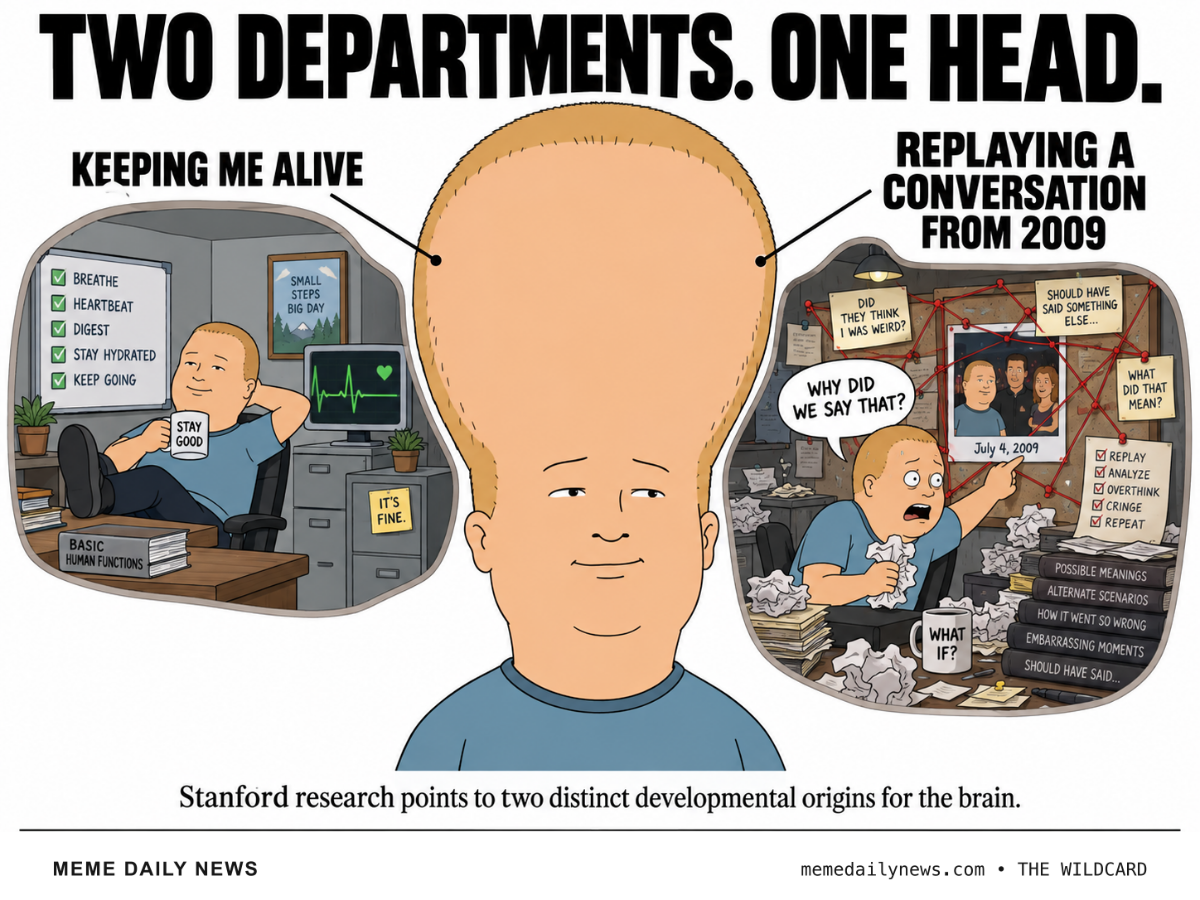
One head, two origin stories. Stanford-led research suggests the forebrain and midbrain develop separately from the hindbrain—a finding that helped researchers grow human hindbrain motor neurons in the lab.
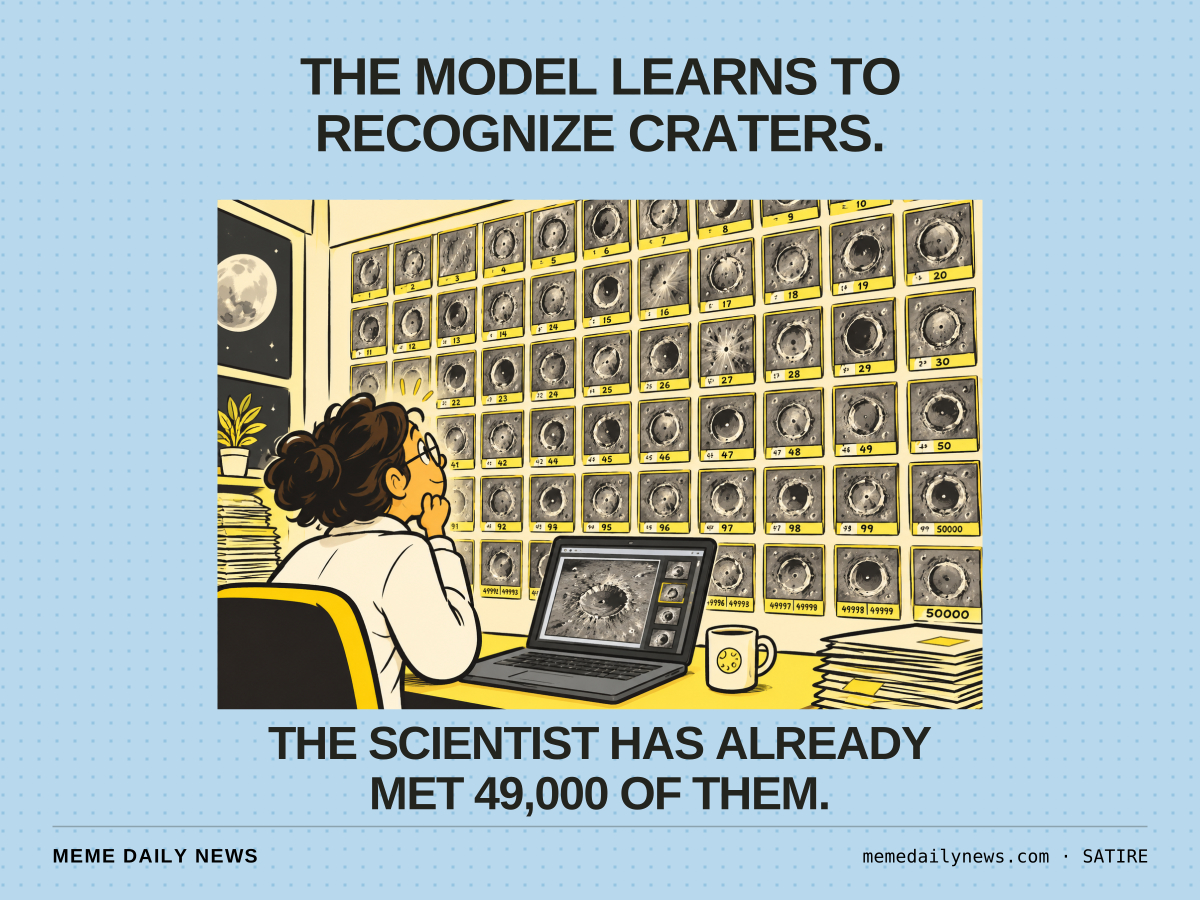
USRA says it contributed planetary science expertise and datasets to NASA and IBM’s newly released open-source Lunar Foundation Model. Trained on nearly two million lunar data bundles, the model combines multiple types of observations to support scientific analysis. The release reports competitive benchmark results, while highlighting the extensive human labeling behind the work.
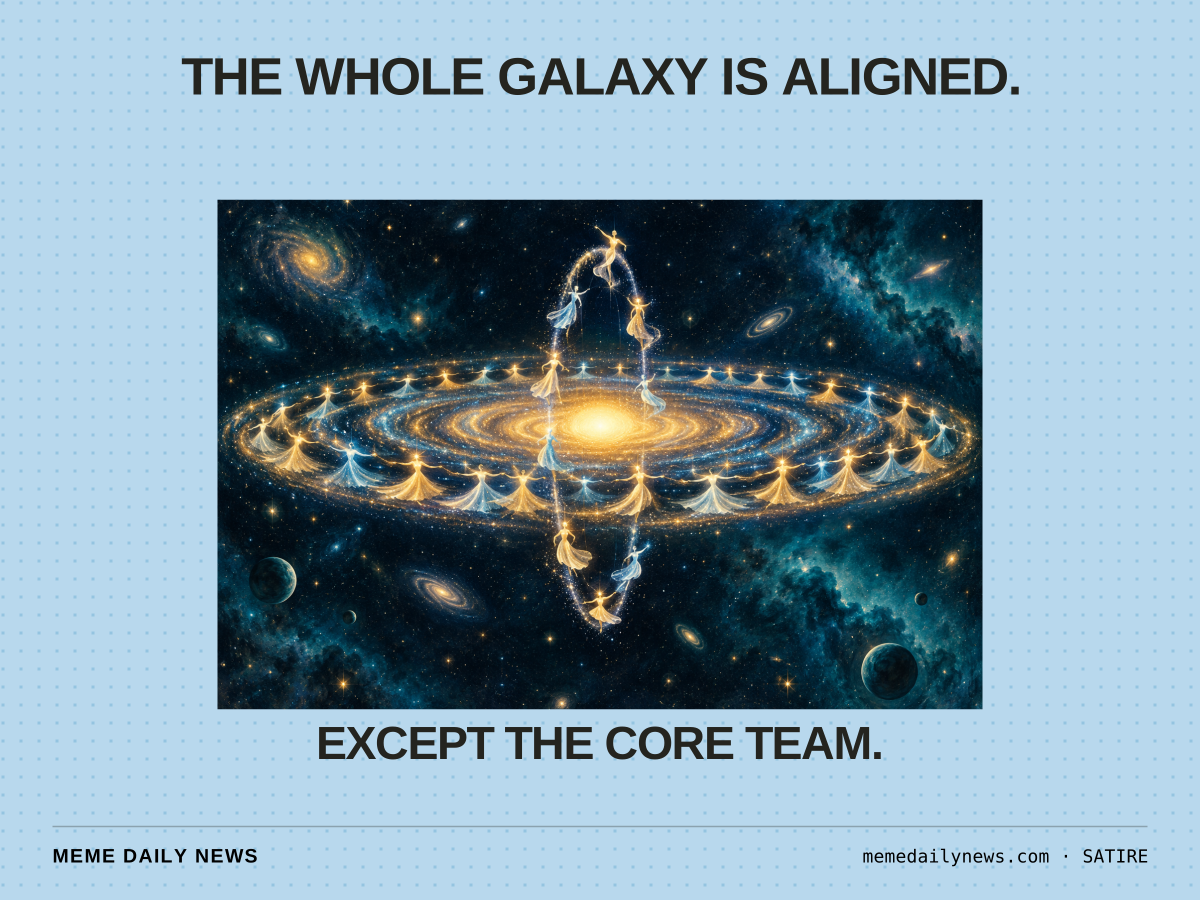
Even galaxies struggle to get everyone moving in the same direction. NASA’s new Hubble image highlights NGC 4698, whose central stars and gas rotate perpendicular to the surrounding disk.
Your next user might arrive without a mouse. AX Check says it tests a product’s onboarding with three agents and offers guidance on where they get stuck.
The couch is getting closer to the checkout. Google says Buy with Google Pay will let viewers in Canada complete purchases on connected TVs in two clicks when it arrives later this year.
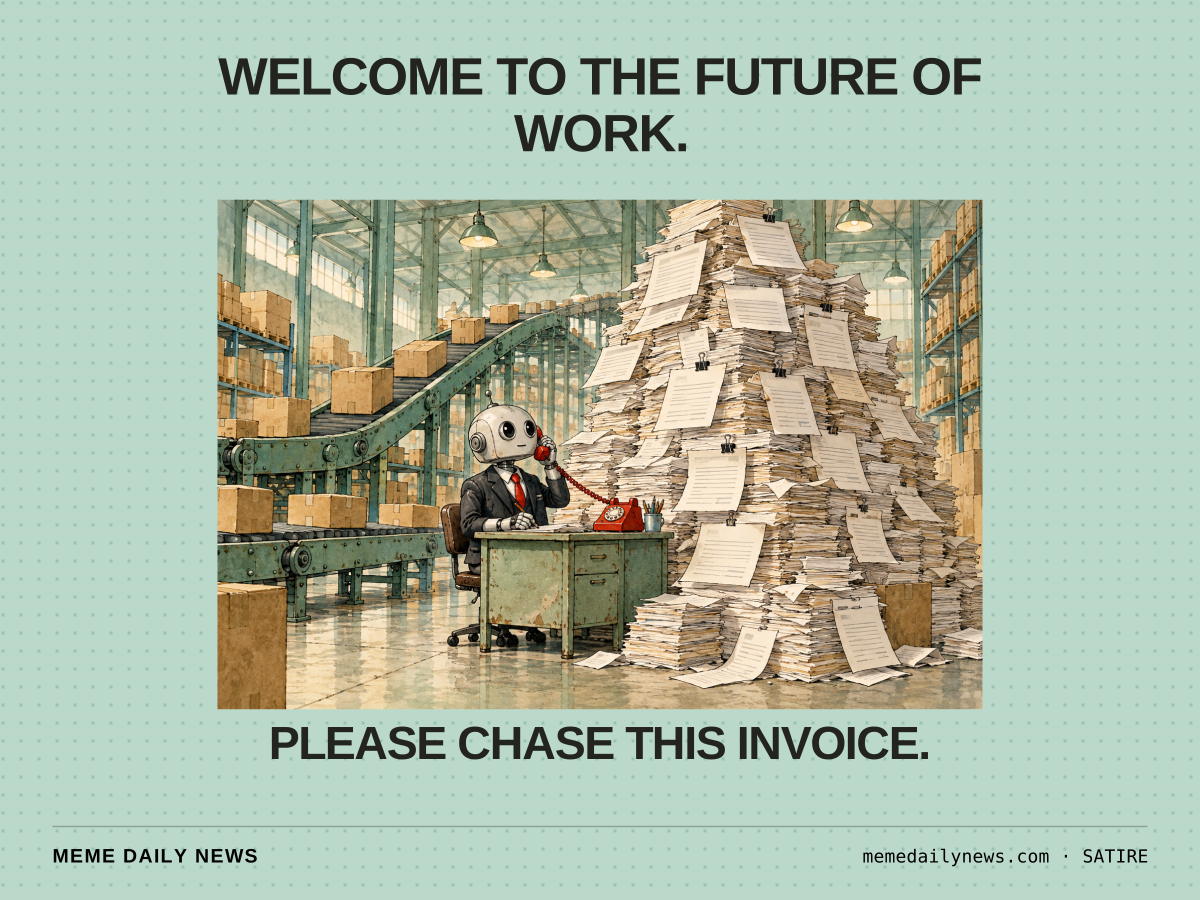
The glamorous future of AI has an invoice to follow up on. Magentic announced an $18 million Series A to expand digital workers for manufacturers’ procurement and supply-chain operations.
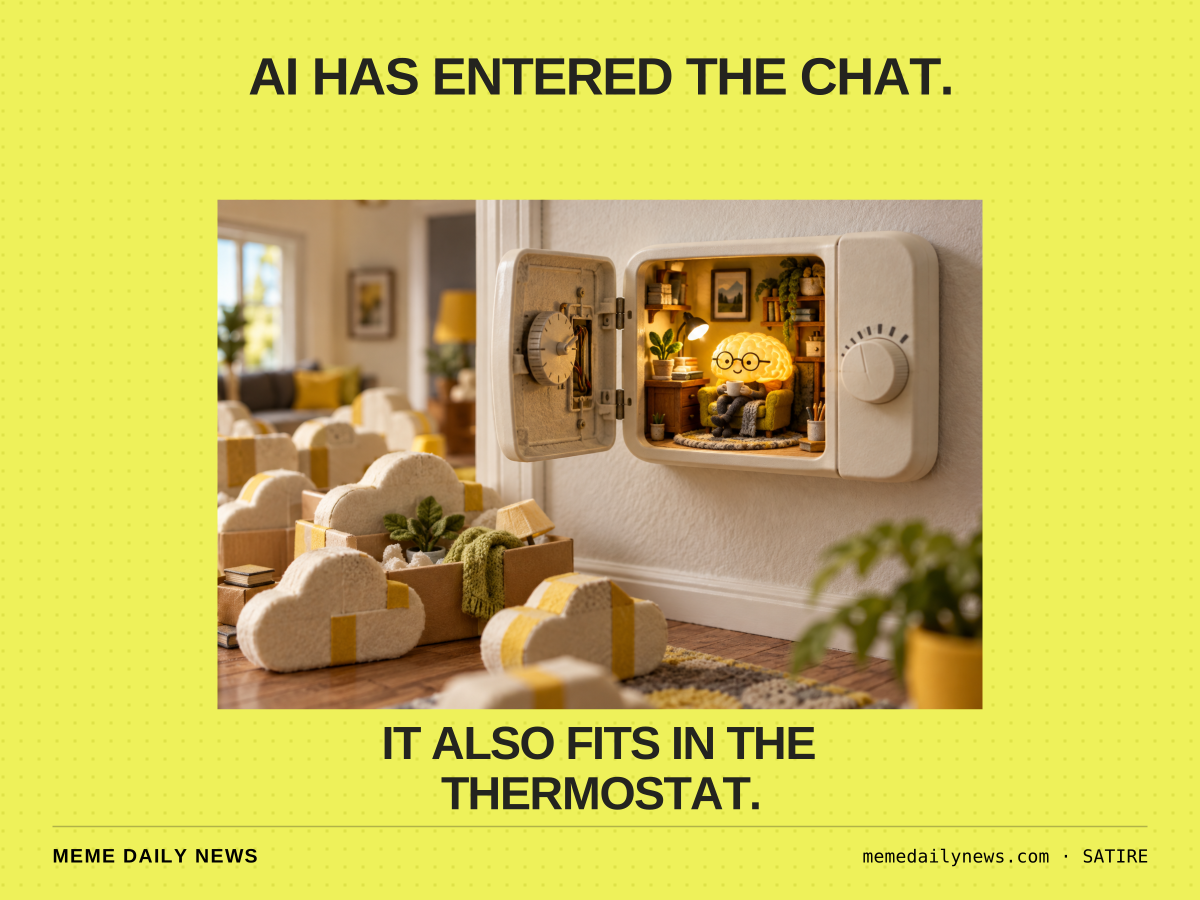
AI is moving into smaller accommodations. Cactus says Needle 3 packages specialized automation models into an 8–29 MB binary for devices ranging from phones to embedded hardware.
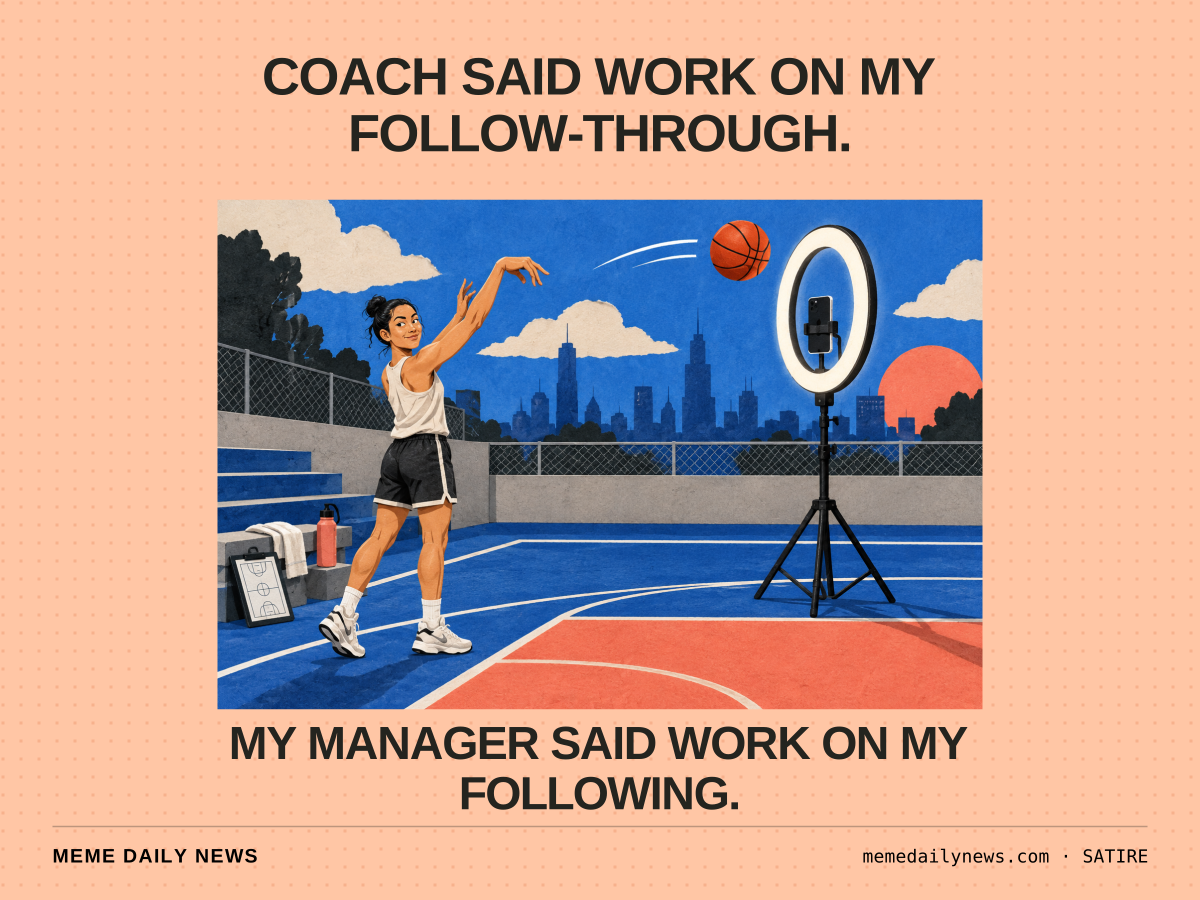
The final whistle now starts the second shift. Women athletes are building audiences and brand partnerships alongside their sporting careers, turning content creation into another part of the job.
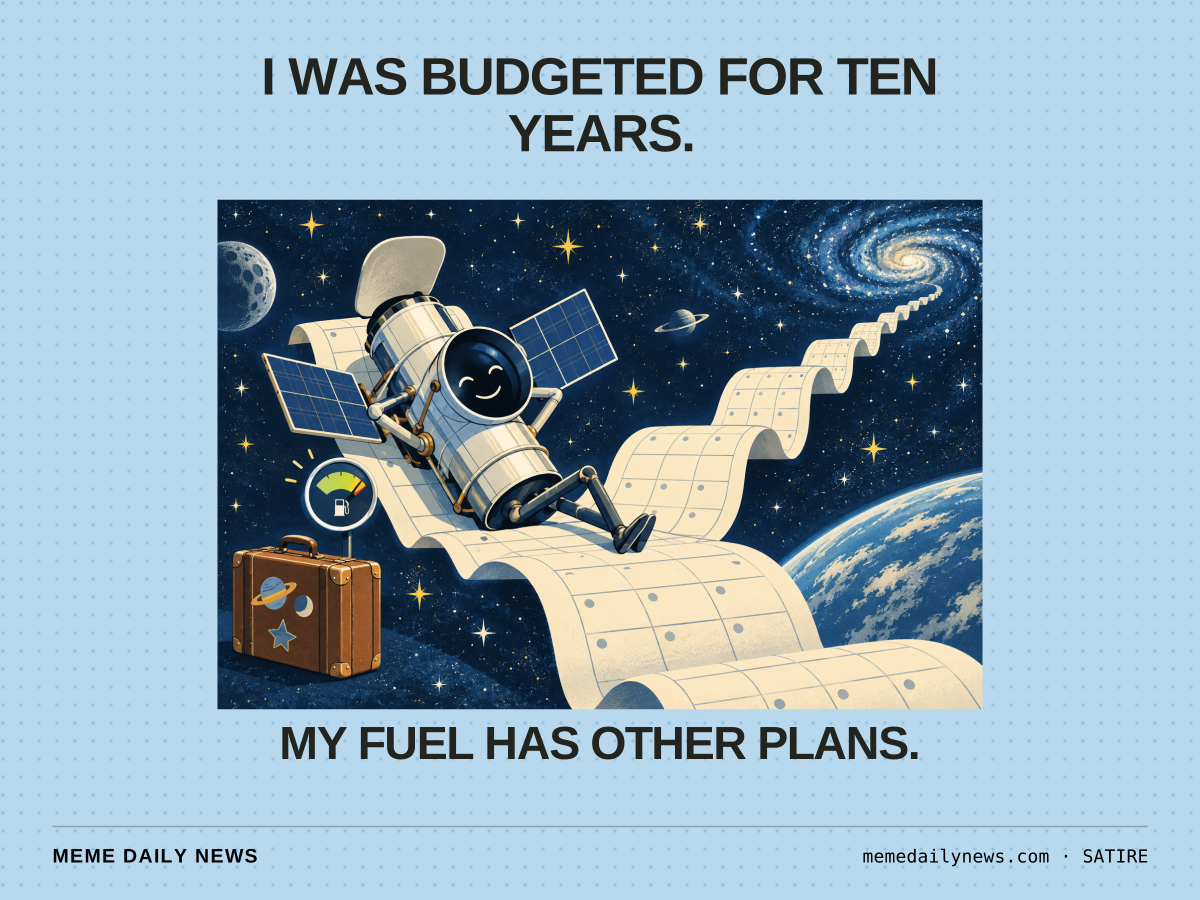
A careful course correction can be worth years. NASA says fuel savings and extra propellant could give the Roman Space Telescope at least 22 years of potential science operations, against its original ten-year fuel budget.
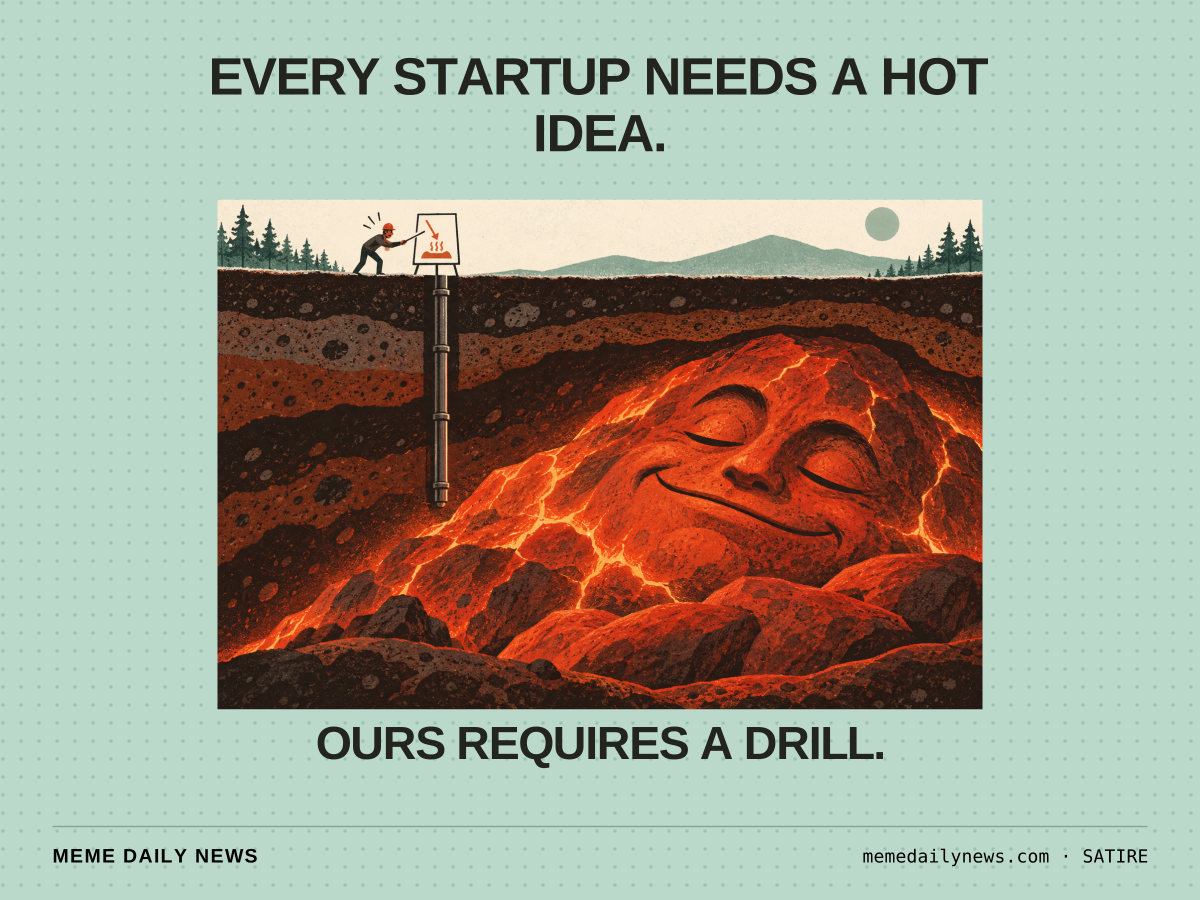
Some startups chase the cloud. This one is drilling in the other direction. Mazama Energy announced $135 million in new capital, including a Series B, to advance geothermal power from extremely hot rock.
The group chat has acquired a reference section. Merriam-Webster’s latest update adds 1,400 words and meanings, with internet-fluent entries including “copium,” “crashout,” and “trash panda,” according to Good Morning America.
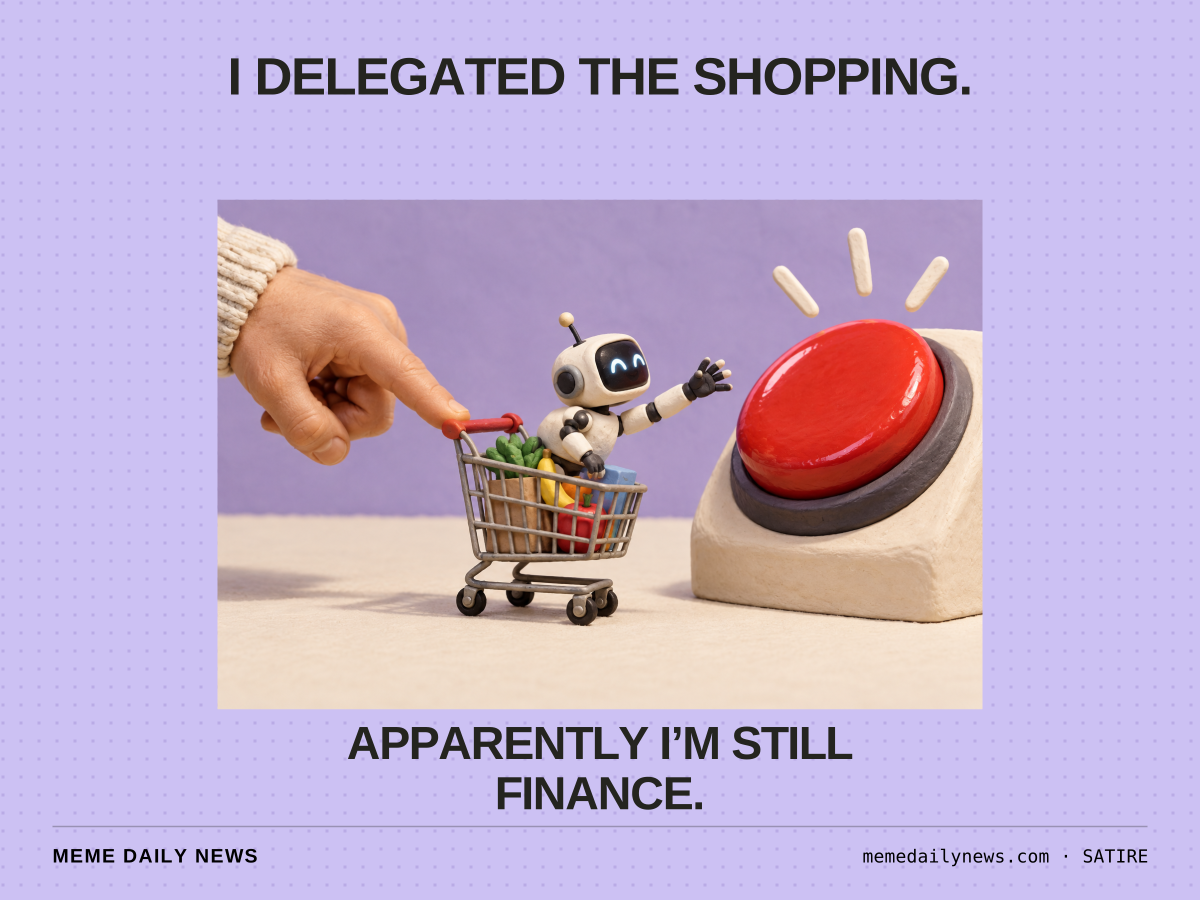
The shopping assistant can reach the checkout. You still get the final click. Stripe says Meta’s Muse can use Link to buy on behalf of U.S. consumers, with approval required for each transaction total.
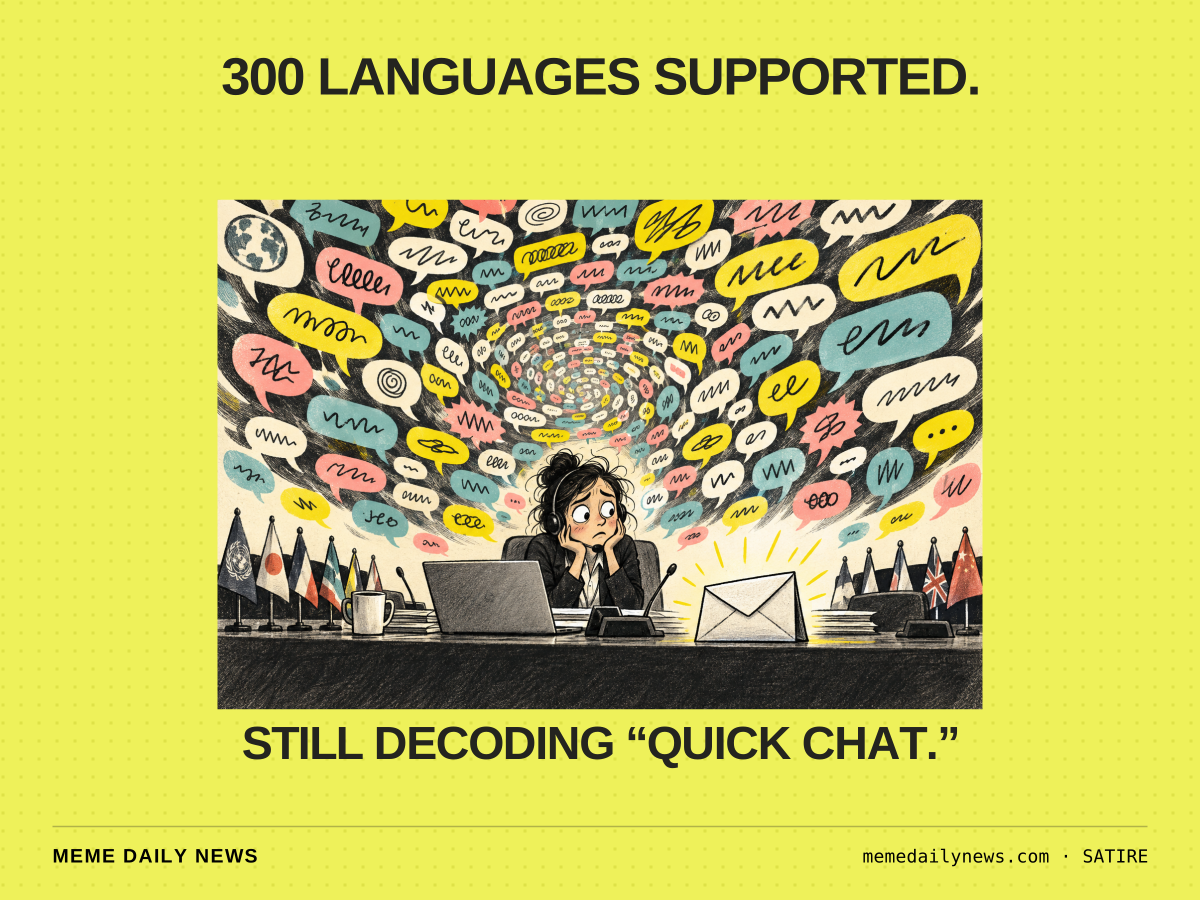
The language barrier is getting smaller. The office email barrier remains undefeated. Google says its technologies now support more than 300 languages, covering languages spoken by seven billion people.
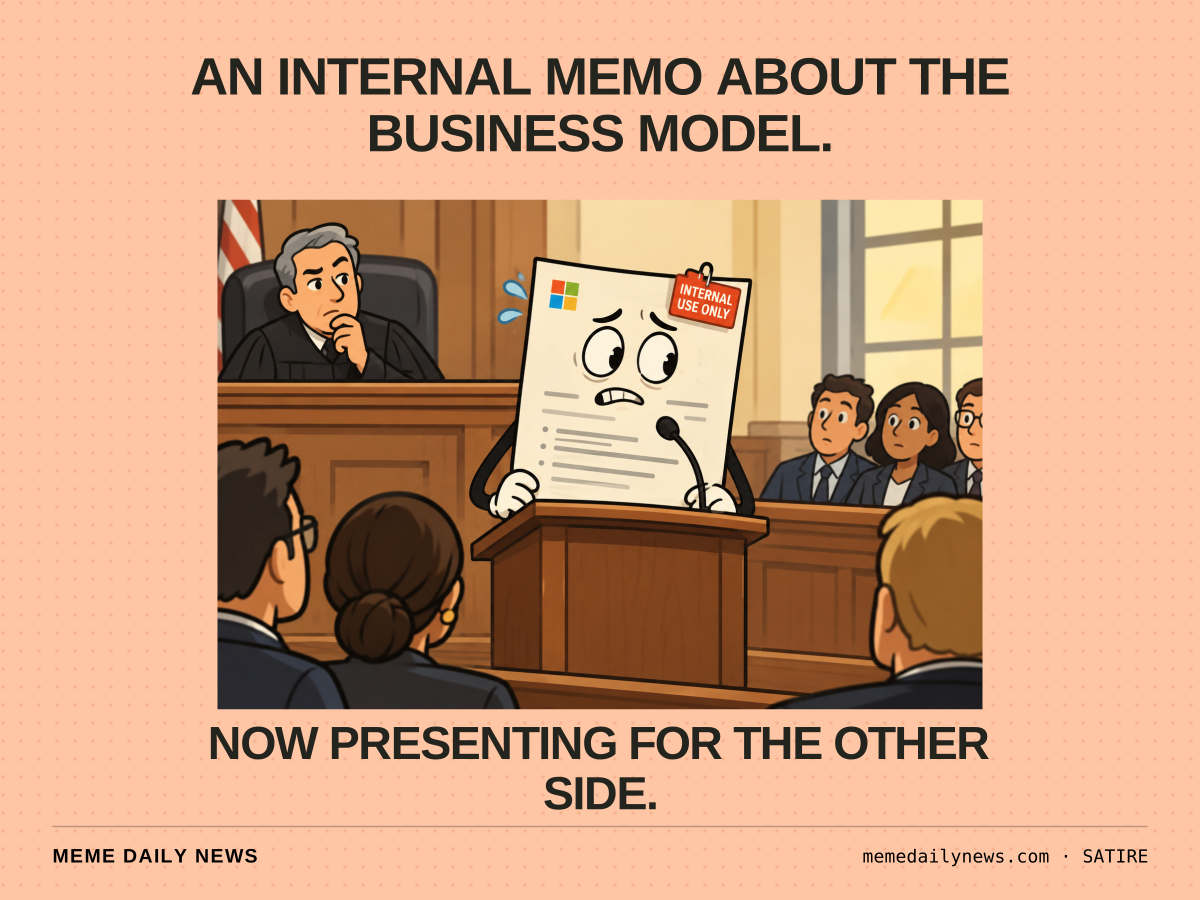
An unredacted brief in The New York Times’ copyright lawsuit cites internal Microsoft and OpenAI statements warning that AI products could undermine the publishers supplying their training material, TechCrunch reports. The brief also alleges paywall circumvention and removal of copyright notices, raising questions about content acquisition and market harm—not establishing that the companies broke the law.
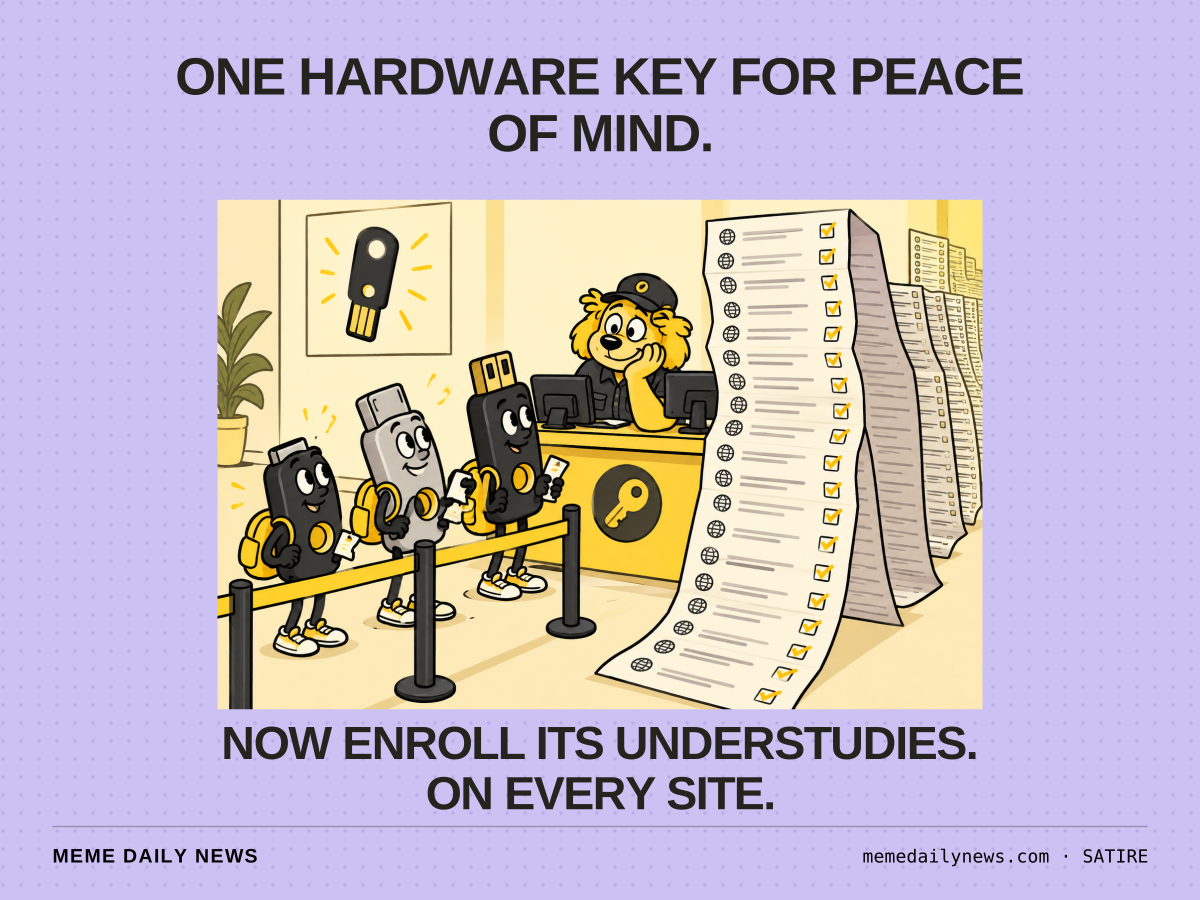
An essay on hawksley.dev challenges the push toward passkeys for personal accounts, arguing that recovery and portability problems can outweigh their phishing protections. The author praises the underlying technology but questions its everyday usability—a distinction that puts access to accounts, not just protection against intruders, at the center of the debate.
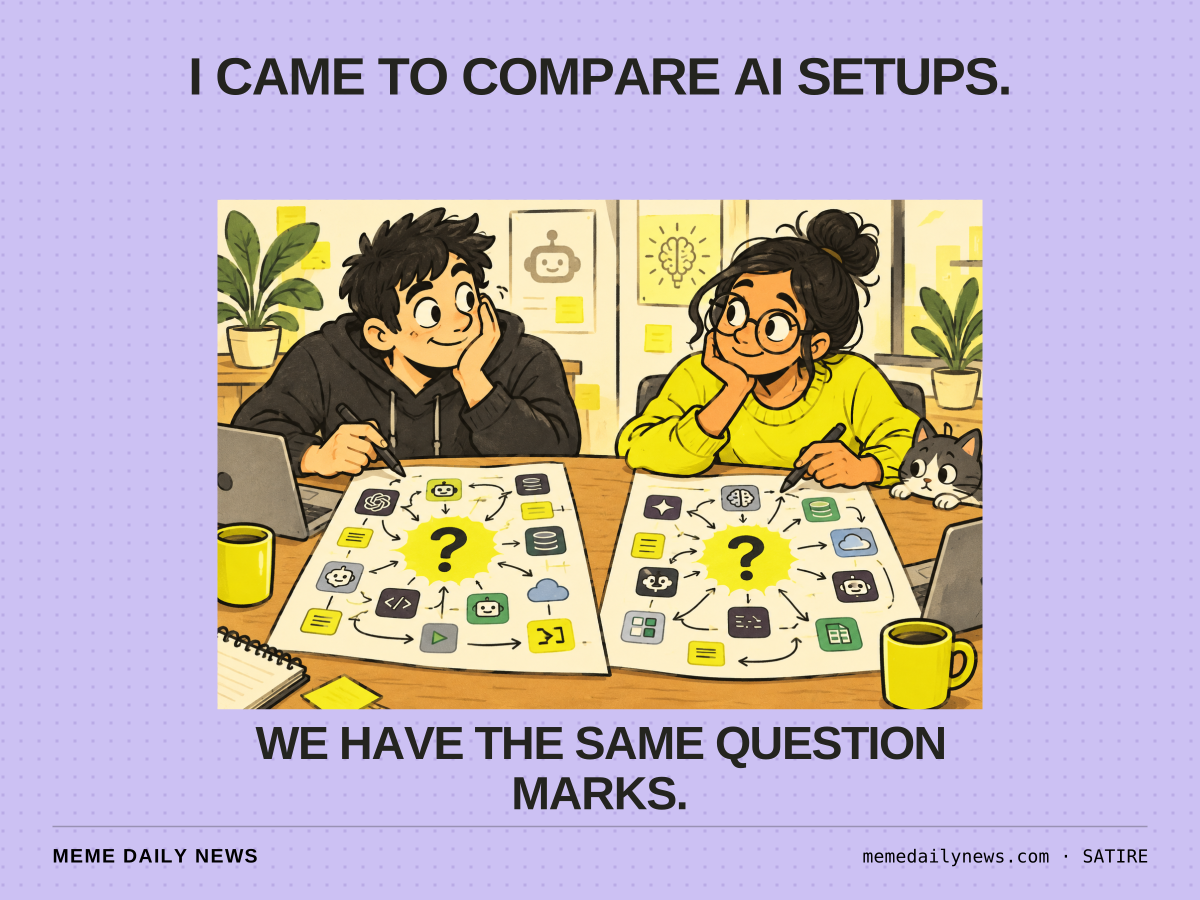
mysetup.ai is a community project for sharing AI tools, workflows and systems, according to its creator, Stevey. The idea grew from seeing fragments of other builders’ setups on X and wondering what was missing. Its pitch is comparison and shared uncertainty—not a definitive guide to the right AI stack.
 MEME + CONTEXT