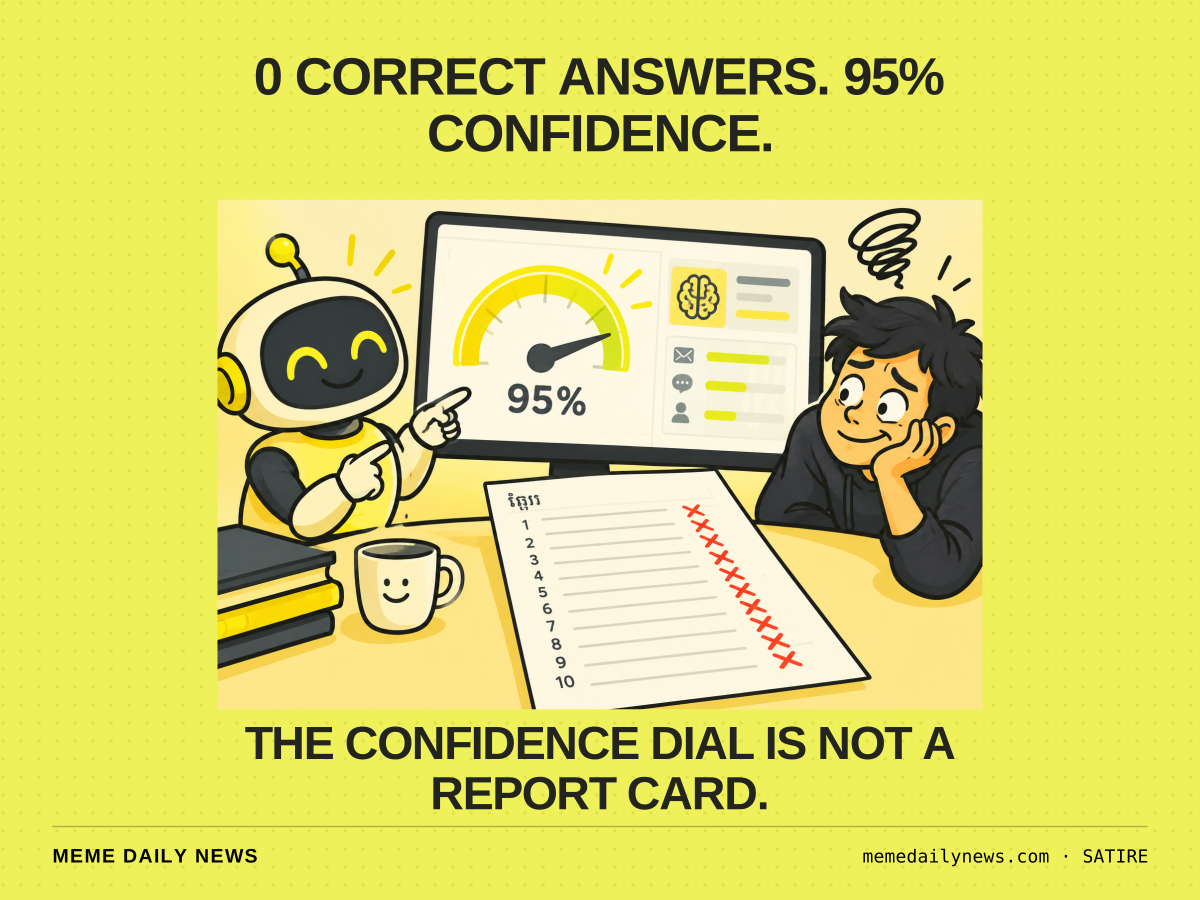
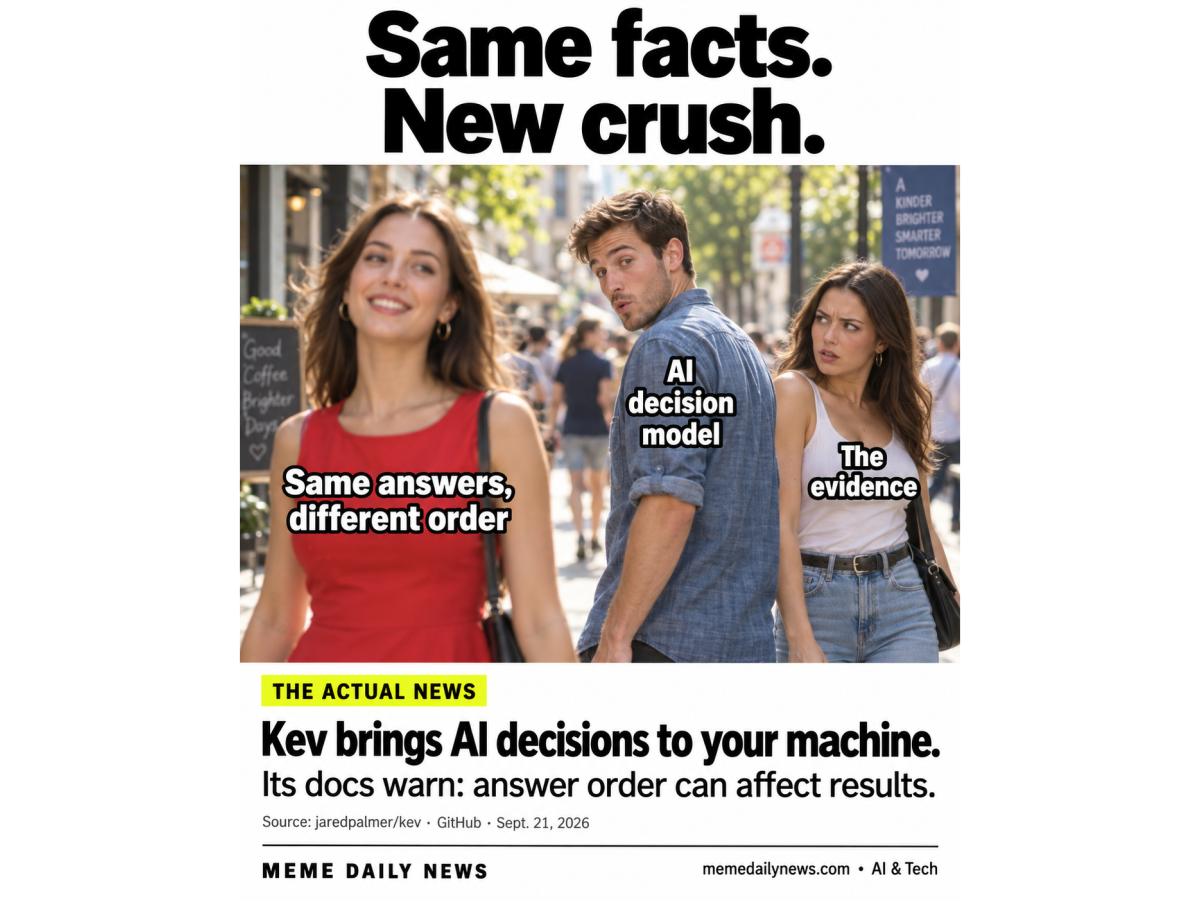
Kev is a family of small Qwen3.5-based decision models that developers can train and run themselves, according to its GitHub documentation. The project supports yes/no questions, multiple-choice decisions and ratings in one request, returning probabilities rather than just labels. It offers a local route to structured text decisions, with documented hardware and accuracy trade-offs.
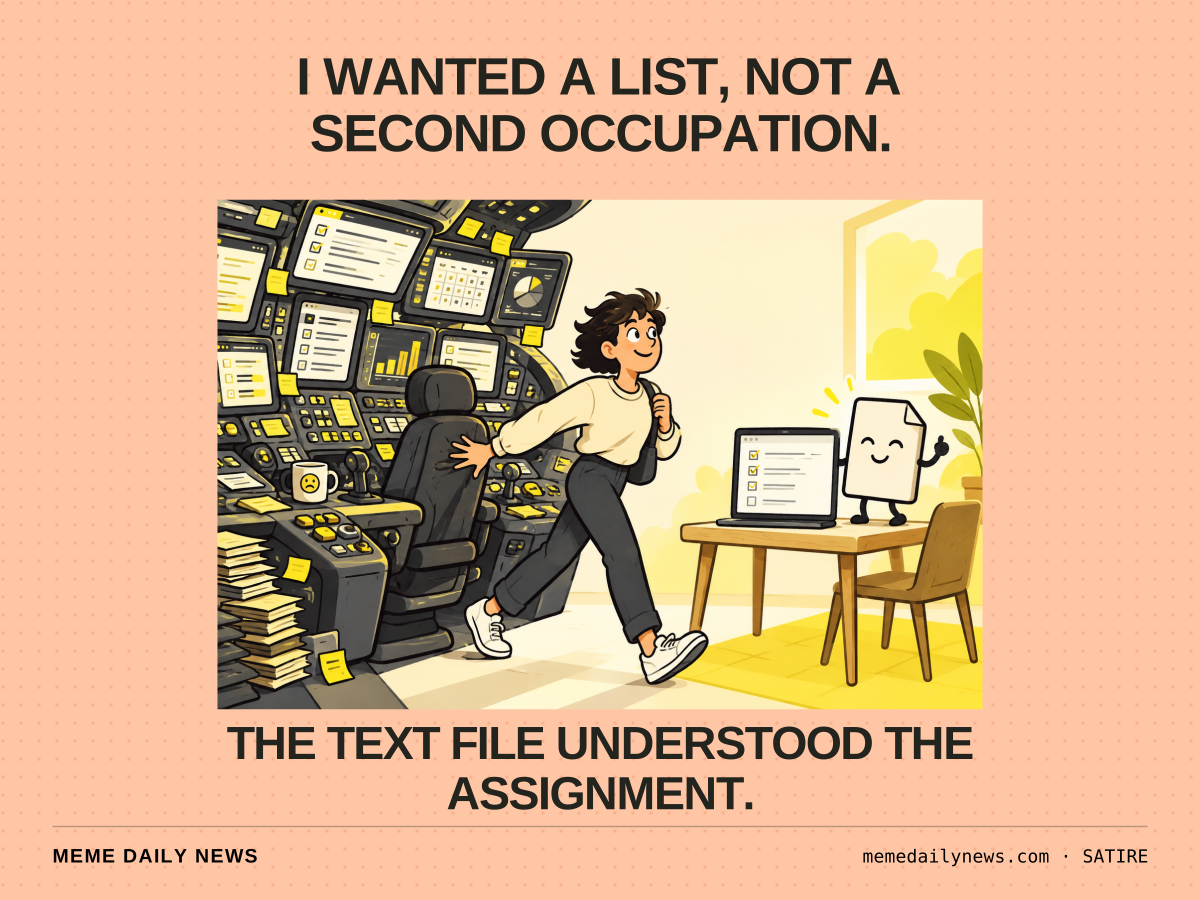
Tasks.txt takes a stripped-down approach to task management: a free Mac app that keeps lists in readable text files on your computer. In a WIRED review, the app offers keyboard controls, task categories and an archive without a sprawling interface. Local, editable files also give users a straightforward way to move their tasks elsewhere.
Laya's developers describe an open-weight AI model family that returns structured decisions rather than generated text, reporting 32.8-millisecond inference on a single GPU. The project targets tasks such as email triage and support routing, but its own tests underscore important limits: performance depends on language routing, task-specific training and calibration.
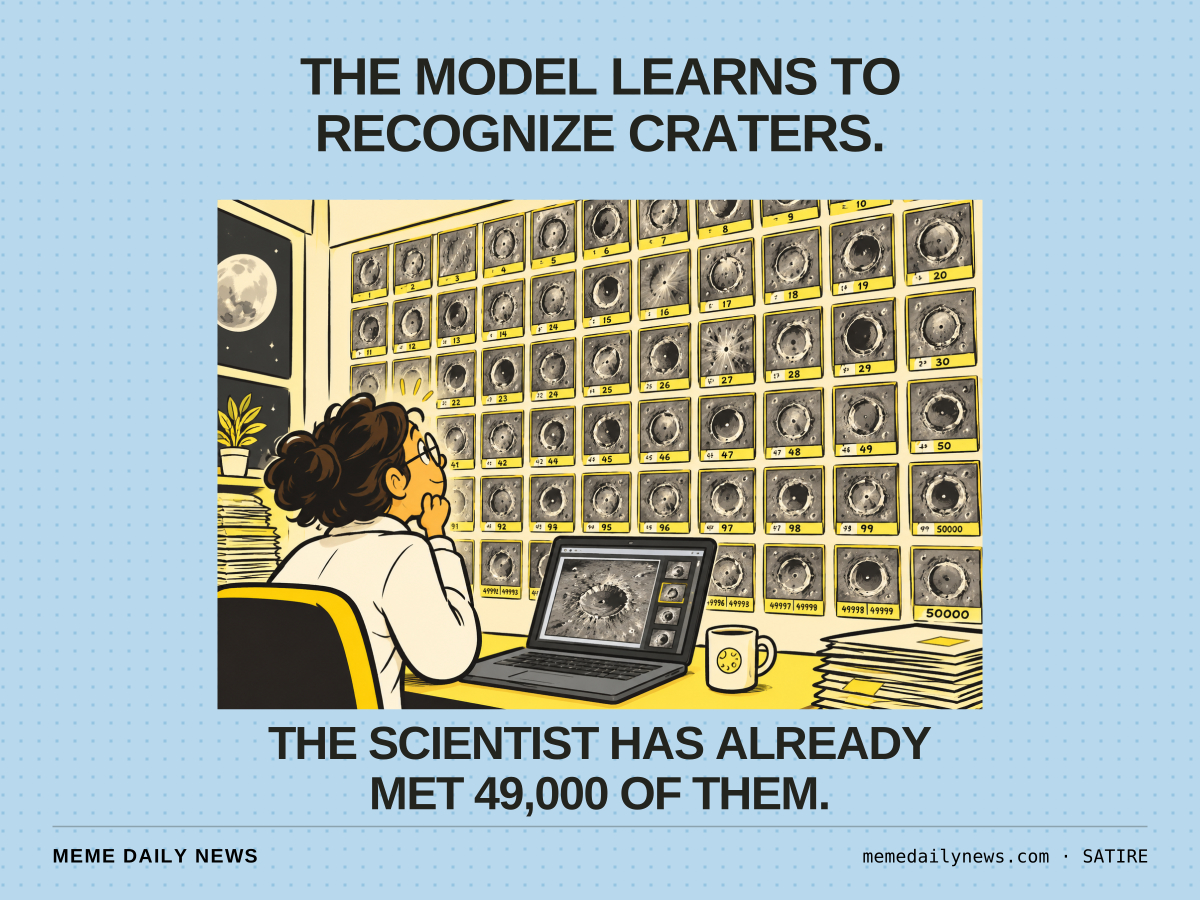
USRA says it contributed planetary science expertise and datasets to NASA and IBM’s newly released open-source Lunar Foundation Model. Trained on nearly two million lunar data bundles, the model combines multiple types of observations to support scientific analysis. The release reports competitive benchmark results, while highlighting the extensive human labeling behind the work.
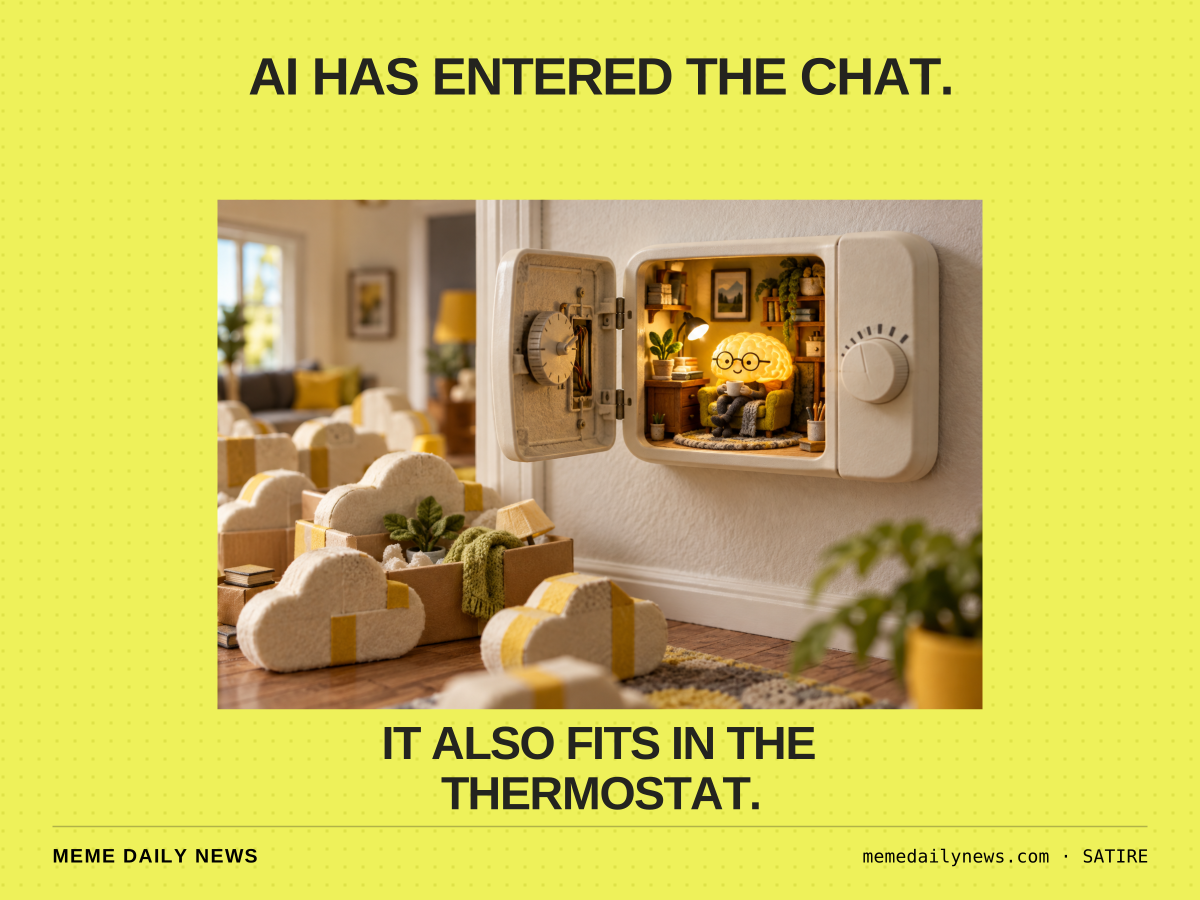
AI is moving into smaller accommodations. Cactus says Needle 3 packages specialized automation models into an 8–29 MB binary for devices ranging from phones to embedded hardware.
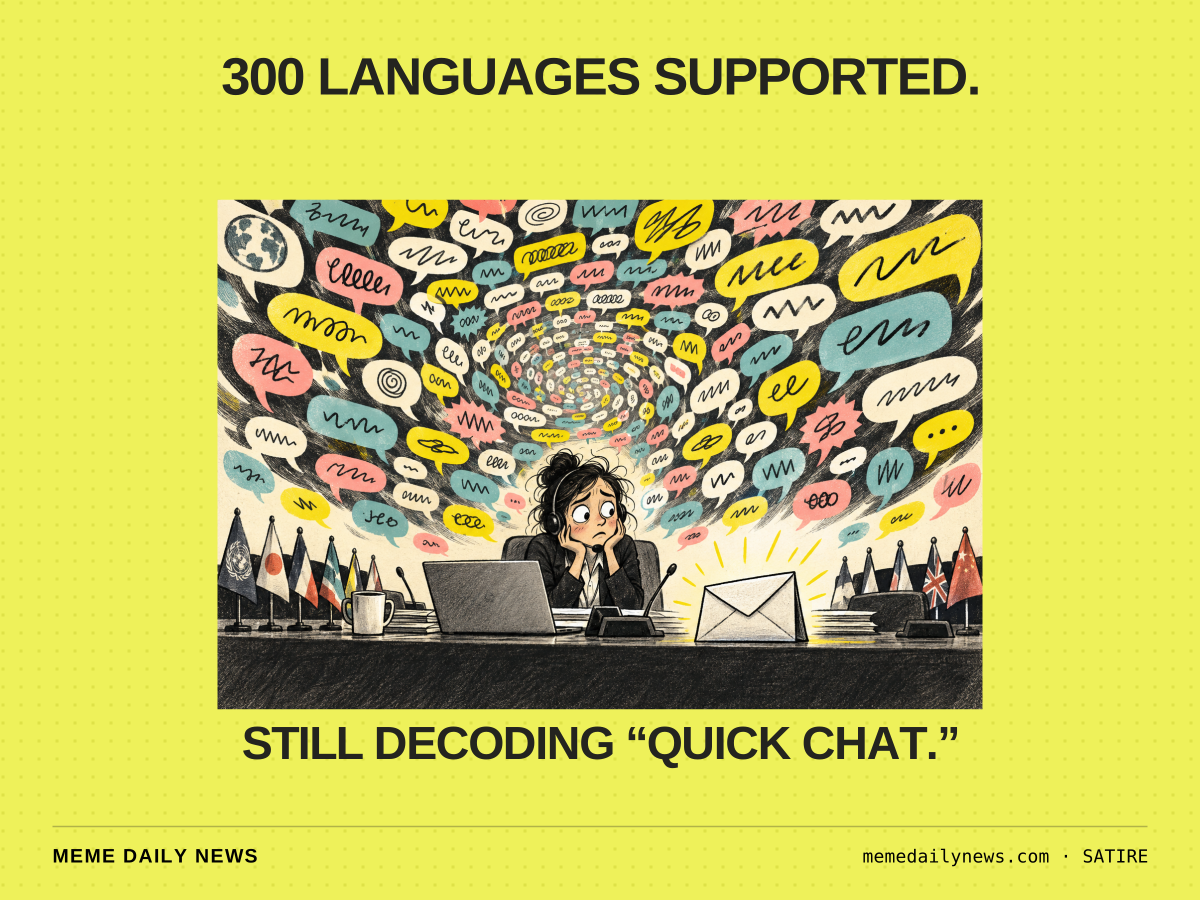
The language barrier is getting smaller. The office email barrier remains undefeated. Google says its technologies now support more than 300 languages, covering languages spoken by seven billion people.
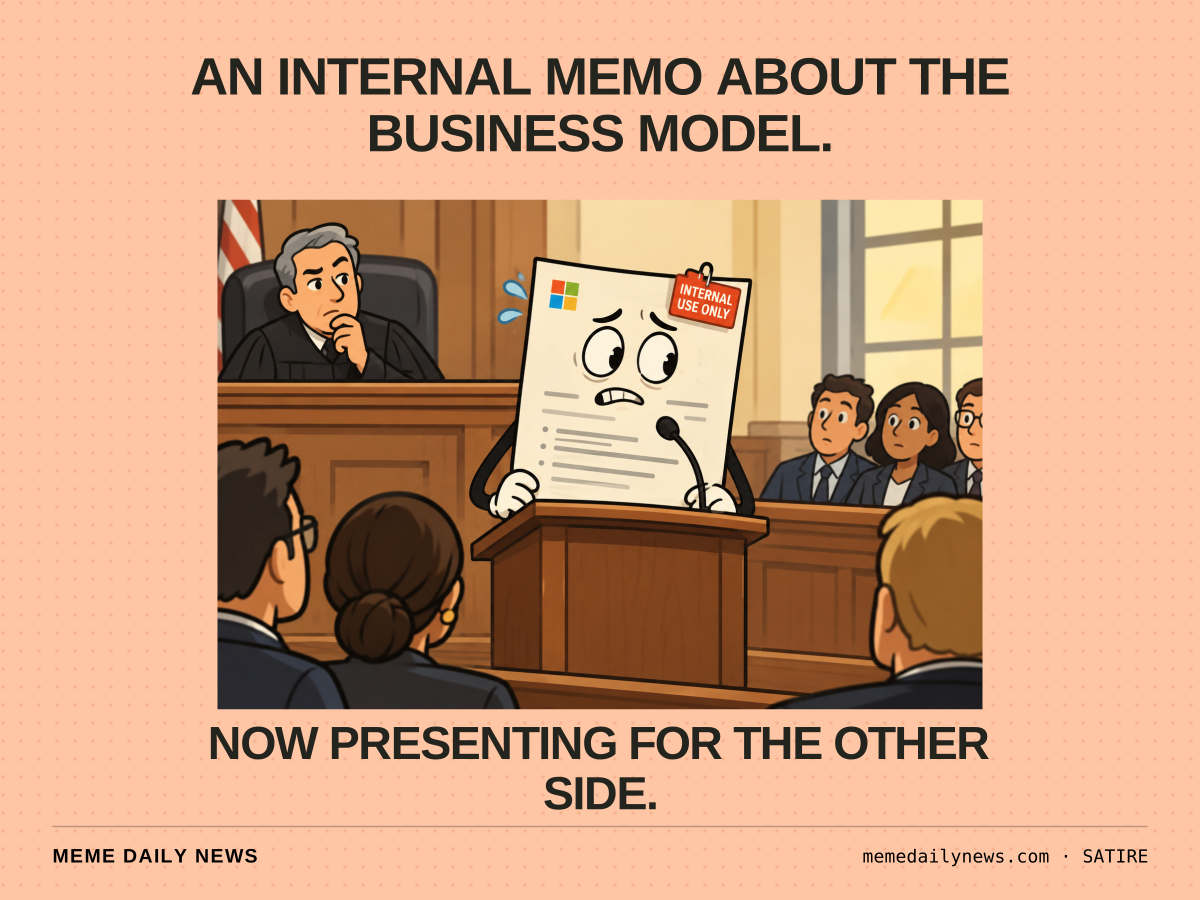
An unredacted brief in The New York Times’ copyright lawsuit cites internal Microsoft and OpenAI statements warning that AI products could undermine the publishers supplying their training material, TechCrunch reports. The brief also alleges paywall circumvention and removal of copyright notices, raising questions about content acquisition and market harm—not establishing that the companies broke the law.
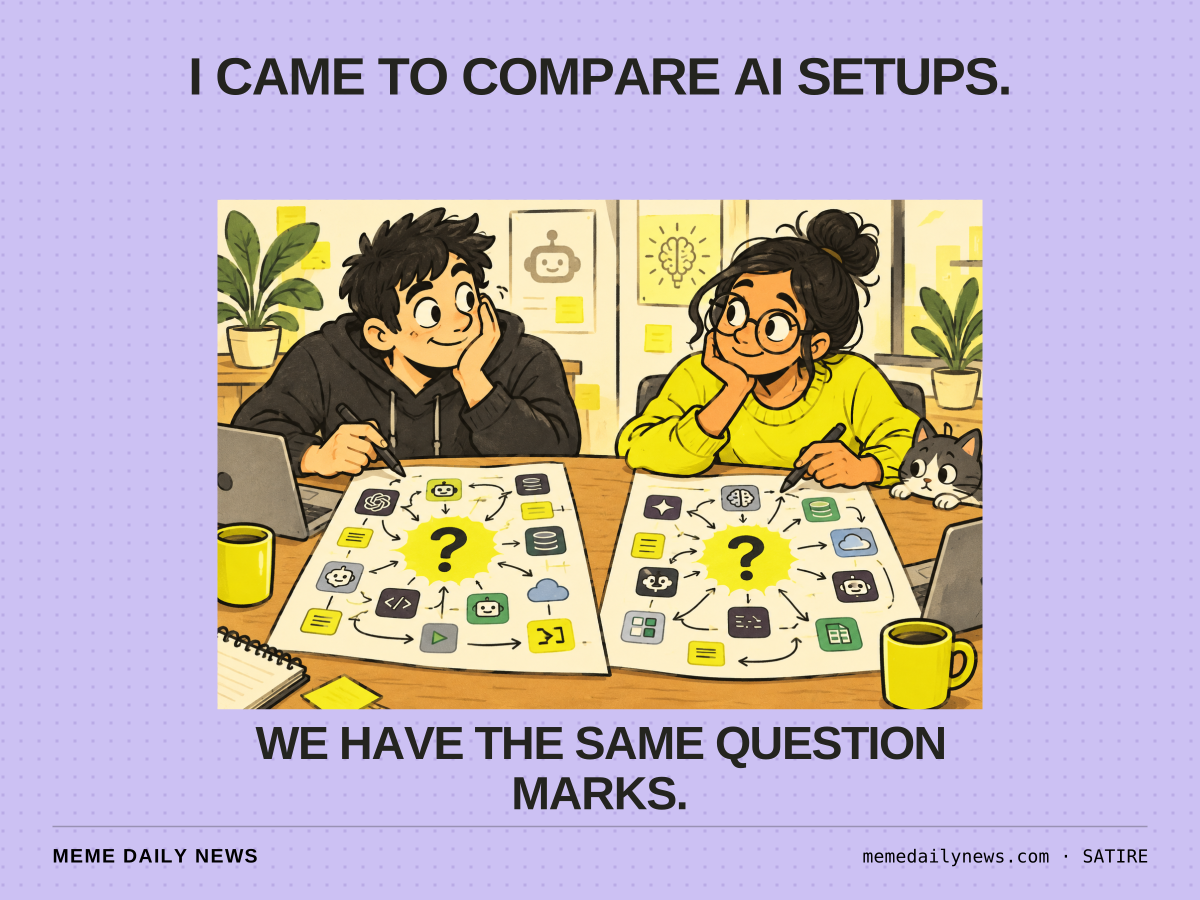
mysetup.ai is a community project for sharing AI tools, workflows and systems, according to its creator, Stevey. The idea grew from seeing fragments of other builders’ setups on X and wondering what was missing. Its pitch is comparison and shared uncertainty—not a definitive guide to the right AI stack.
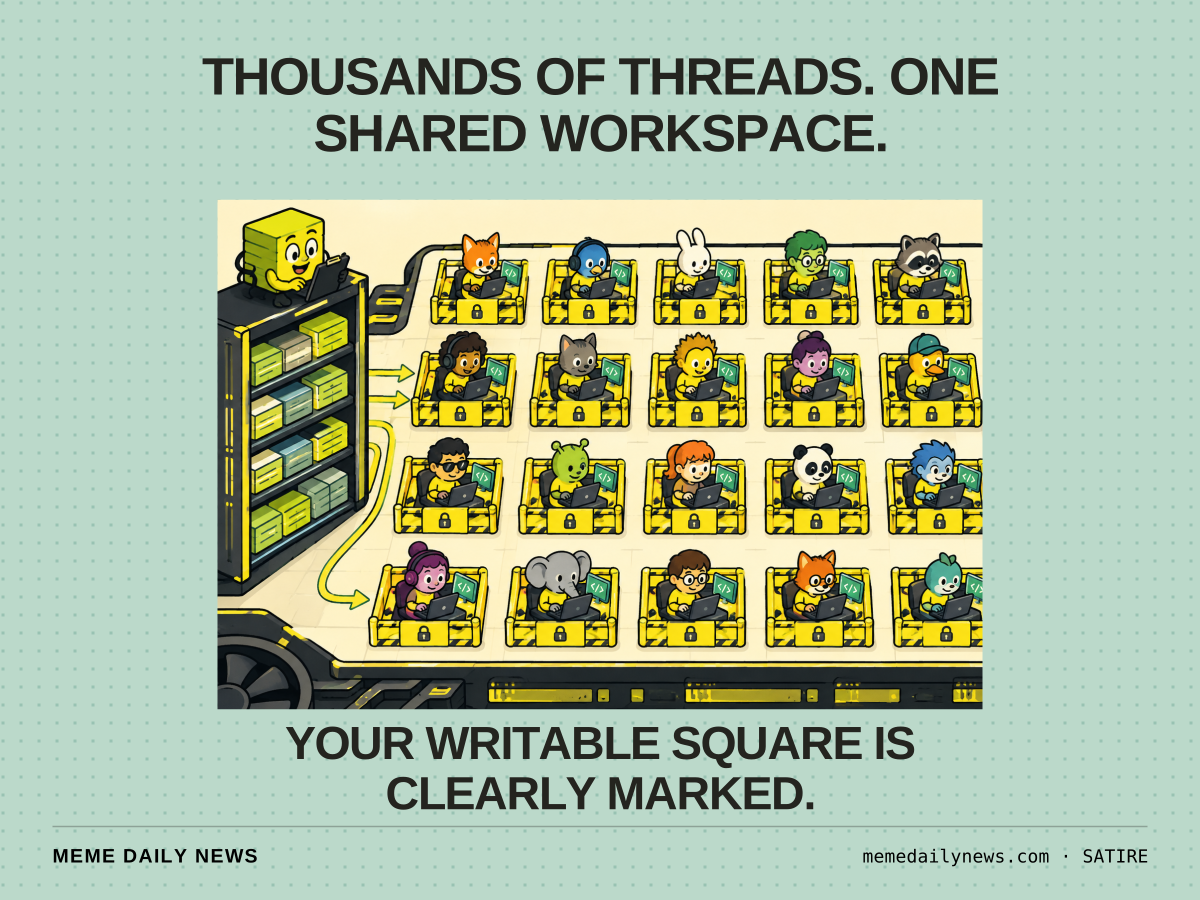
NVIDIA has outlined two ways to write GPU kernels in Rust: cuda-oxide for explicit thread-level programming and cutile-rs for tile-based computation. The company says these let Rust developers write the kernels themselves rather than switch languages. It recommends starting with tiles while describing CUDA Rust as an effort it will continue maturing into 2027 and beyond.
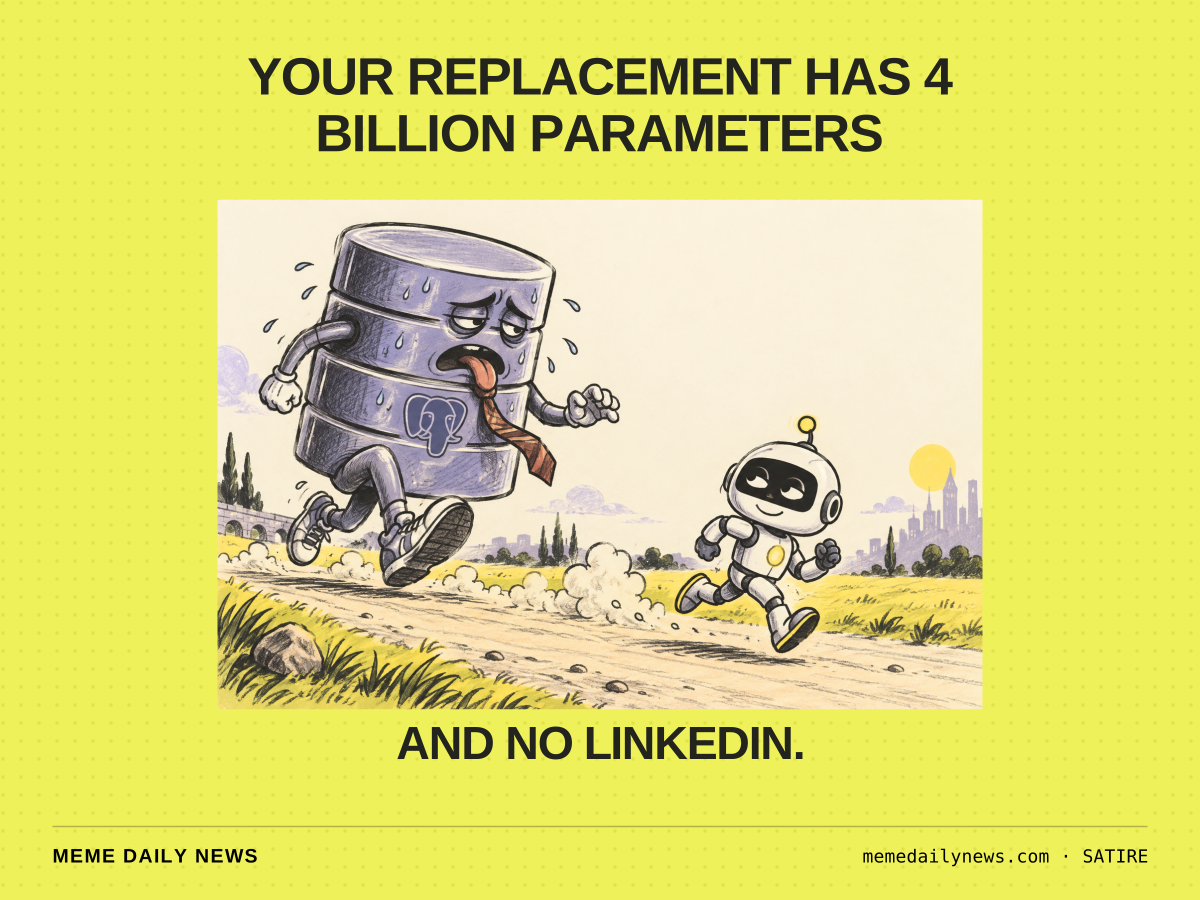
Your database has a plan. Rohan Bansal trained a small AI model to find a better one—then tested whether its choices could make Postgres queries run faster.
 THE BIG PICTURE