NVIDIA Details Two CUDA Rust Tracks for Writing GPU Kernels
NVIDIA has outlined two ways to write GPU kernels in Rust: cuda-oxide for explicit thread-level programming and cutile-rs for tile-based computation. The company says these let Rust developers write the kernels themselves rather than switch languages. It recommends starting with tiles while describing CUDA Rust as an effort it will continue maturing into 2027 and beyond.
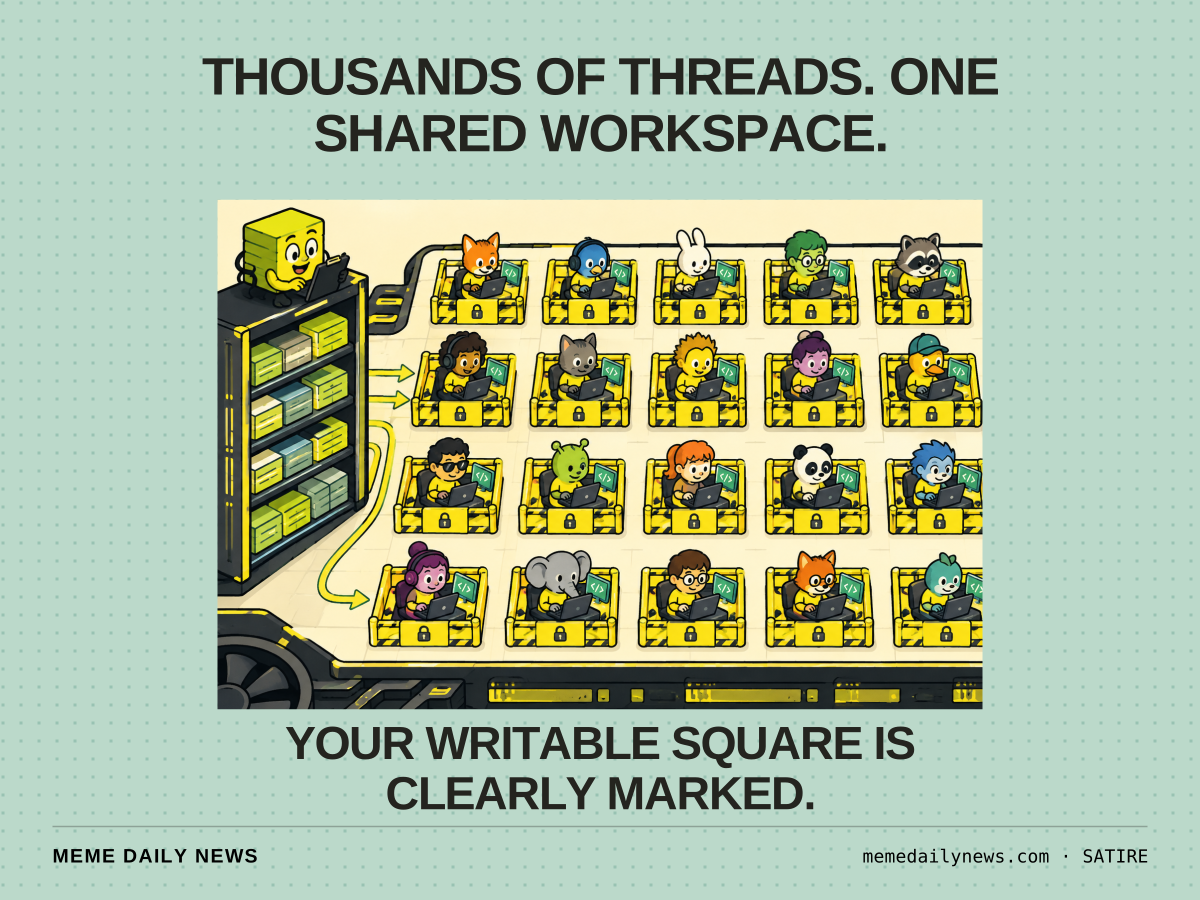
The actual story.
In the supplied September 8, 2026 article, NVIDIA distinguishes these developing Rust projects from its mature CUDA C++ and Python toolchains. The SIMT track, cuda-oxide, uses a custom Rust compiler backend to produce PTX and requires a pinned nightly toolchain. The Tile track, cutile-rs, uses stable Rust and just-in-time compilation through CUDA Tile IR. Both list Linux and a GPU with compute capability 8.0 or later among their requirements, but their CUDA version requirements differ. NVIDIA recommends Tile for compiler-managed mapping to GPU architectures and SIMT when developers need direct memory and thread control. Its examples emphasize exclusive ownership of writable output regions; they do not establish performance advantages over other languages.
Rust developers have two NVIDIA-described paths to GPU kernels, but choosing between compiler-managed tiles and explicit threads still means choosing a level of control—and a developing toolchain.
Receipts, not rumors.
Read the original reporting: Hacker News ↗
The reporting above provides context. The meme is satire. This story was produced and published automatically from the linked source.
Got a better punchline?