
A brief history of the ISS in 10 milestones
From its first modules to onboard AI experiments, the International Space Station shows what working in orbit already looks like.

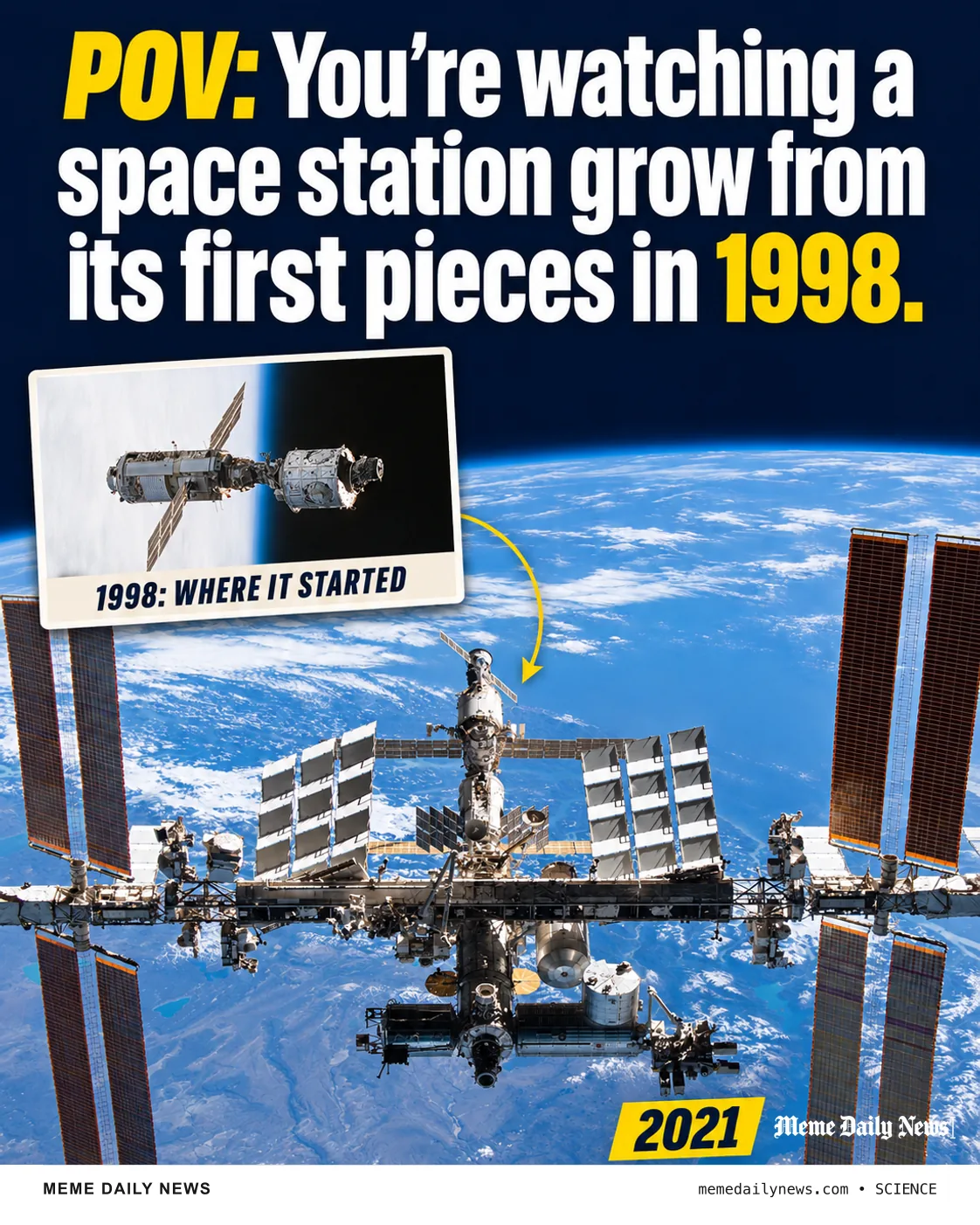
The actual story.
Long before proposals for dedicated computing satellites, the ISS became a place to test technology beyond Earth. Here are ten milestones that put today’s orbital-computing ambitions in context.
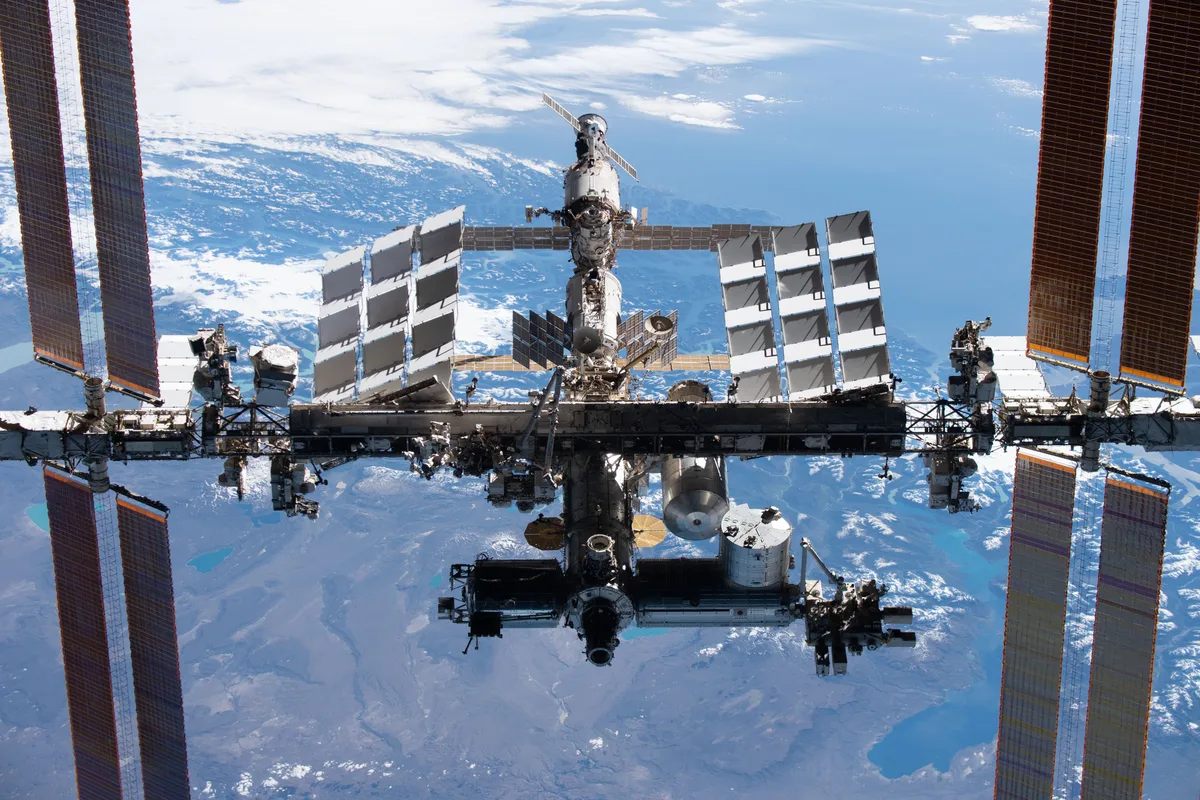
November 20, 1998 — The first piece reaches orbit
Zarya launches from Kazakhstan, beginning construction of the International Space Station. A multinational laboratory starts with a single module rather than one enormous launch.
December 6, 1998 — Two modules become one station
The STS-88 crew joins the American-built Unity node to the Russian-built Zarya module, establishing the foundation for expansion.
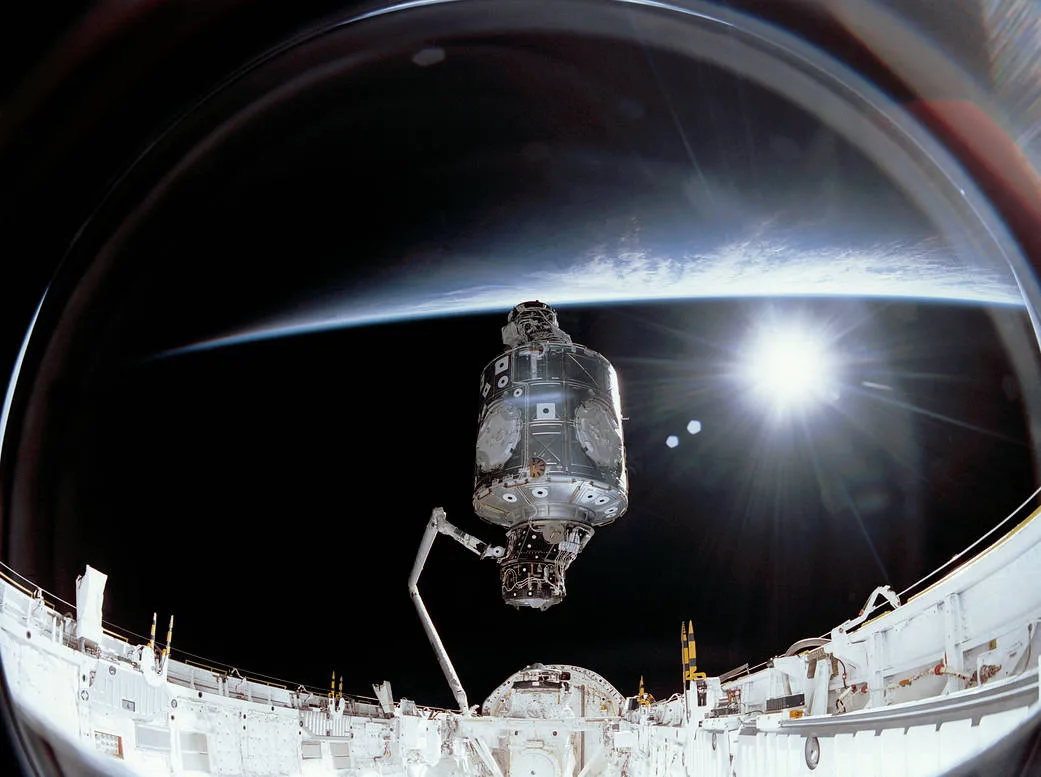
November 2, 2000 — The first residents arrive
Bill Shepherd, Yuri Gidzenko and Sergei Krikalev begin continuous occupation of the station. Their four-month mission includes approximately 50 science and technology investigations.
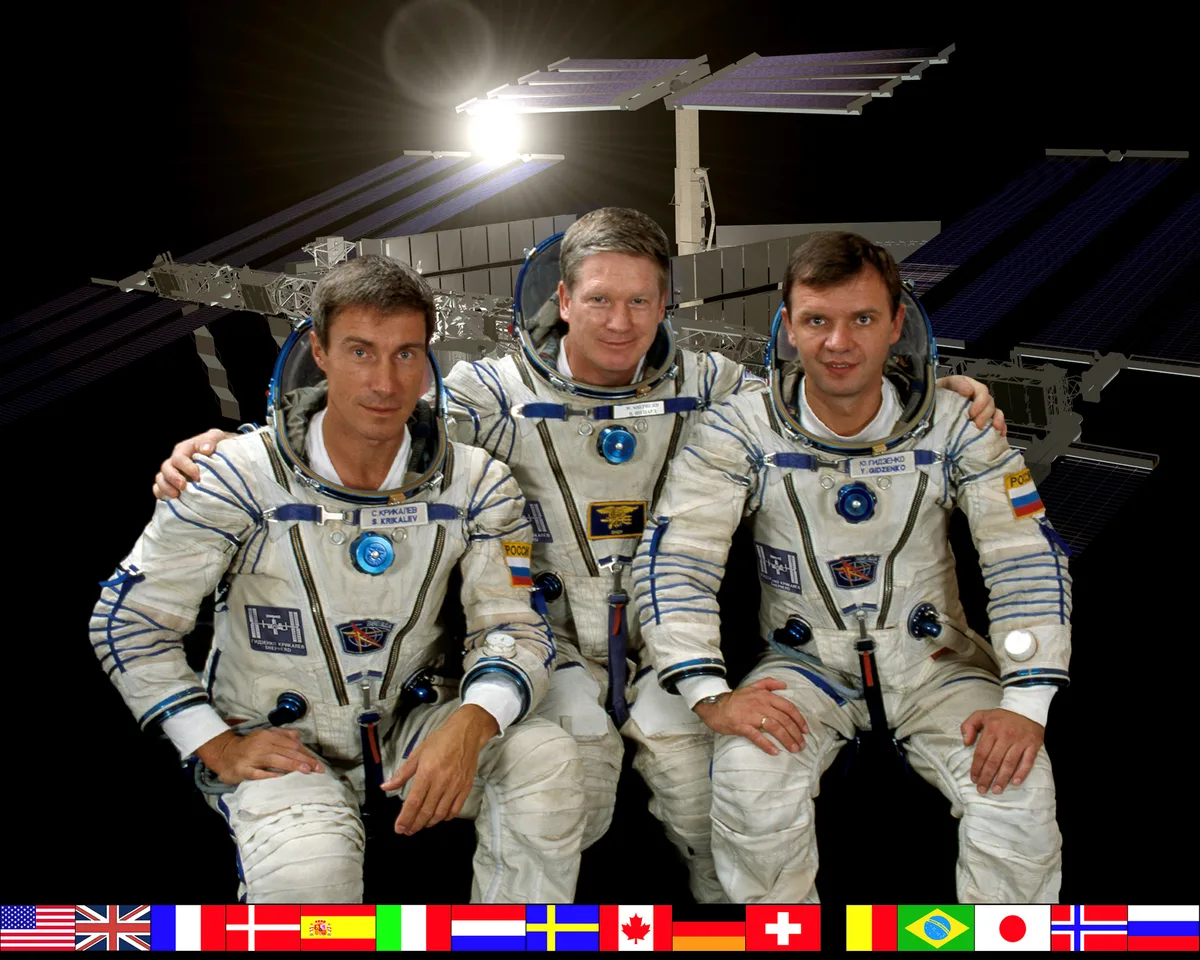
February 10, 2001 — Destiny expands the laboratory
The U.S. laboratory module is installed, adding space for research equipment and an optical-quality window for observing Earth.
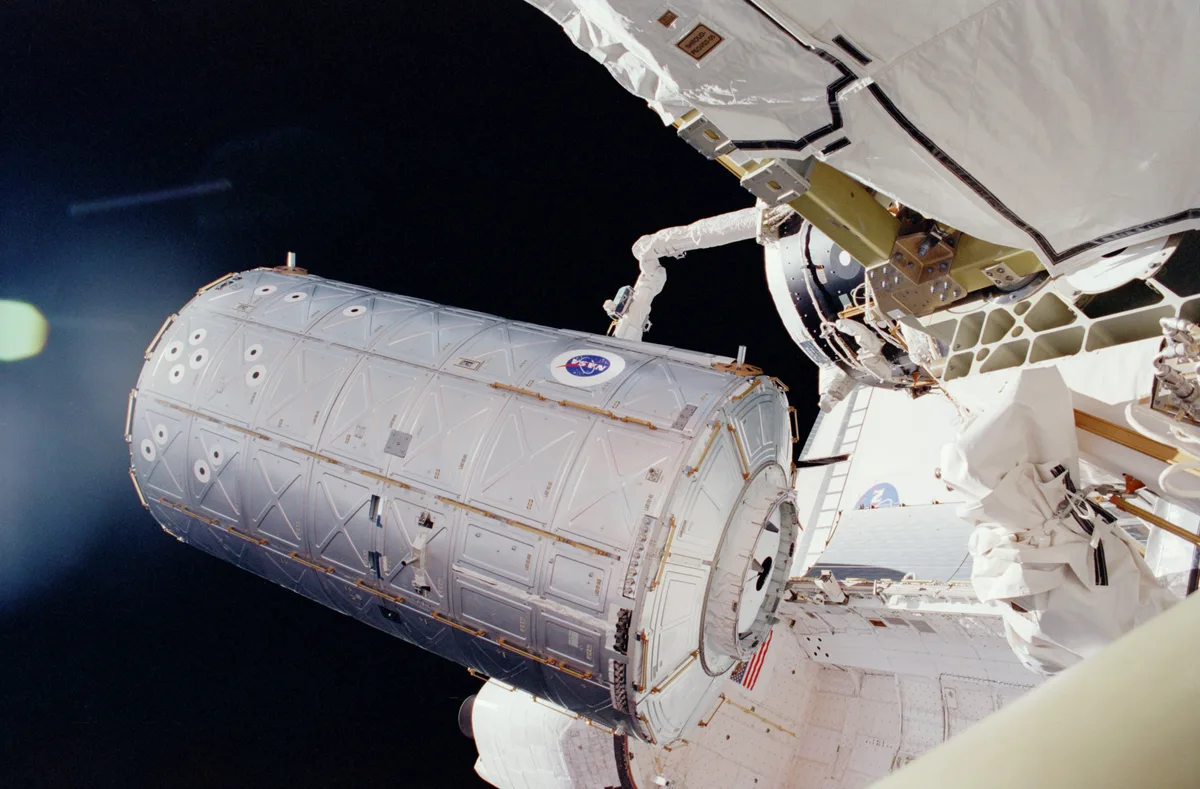
February 11, 2008 — Europe adds Columbus
ESA’s laboratory is attached to the Harmony module, becoming a permanent place for long-duration research in microgravity.
May 19, 2011 — A cosmic-ray observatory joins the station
The Alpha Magnetic Spectrometer is installed outside the ISS to study cosmic rays.
August 2017 — Commercial computing hardware heads to orbit
HPE’s first Spaceborne Computer launches for a NASA experiment testing high-performance computing hardware in space.
May 2021 — Spaceborne Computer-2 powers up
HPE reports that its second-generation system is operating on the ISS, processing data where it is collected.
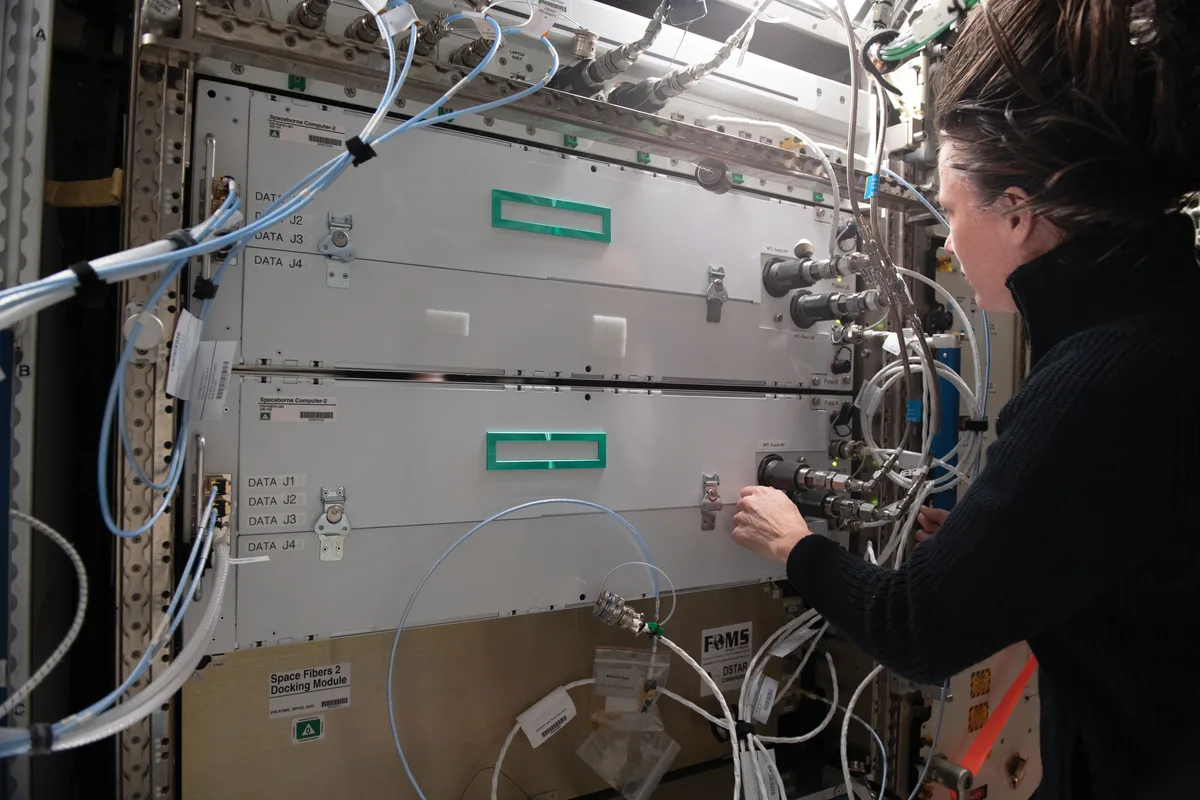
August 2024 — Generative AI reaches the laboratory
HPE reports operating a generative AI large language model on the ISS, an experiment aimed at reducing dependence on an internet connection to Earth.
Through 2030 — Operations, then a planned retirement
NASA’s current plan is to operate the station through 2030, followed by a controlled deorbit. This is a future plan, not a completed event. In June 2024, NASA selected SpaceX to develop and deliver the U.S. Deorbit Vehicle. NASA will own and operate that vehicle. The award covered development and delivery; NASA said launch services would be procured separately.
These experiments establish precedents for processing data in orbit. Dedicated solar-powered computing satellites pose a separate engineering and economics question.
The ISS has already shown that computers can work in orbit. It gives newer projects a place to learn from real hardware, but turning the whole station into a data center is a different question: its power and cooling support a working laboratory, its orbit includes darkness, and its structure is aging. The next generation can build on its lessons without having to inherit the entire station.
Receipts, not rumors.
- ESA · first ISS module and construction
- NASA · Unity and the December 6, 1998 module connection
- NASA · Expedition 1 and its science mission
- NASA · STS-98 delivers Destiny
- ESA · Columbus mission and February 11 attachment
- NASA · Alpha Magnetic Spectrometer
- HPE · Spaceborne program timeline, 2017 launch and 2024 LLM experiment
- HPE · Spaceborne Computer-2 operations
- NASA · current ISS transition plan
- NASA · SpaceX U.S. Deorbit Vehicle award, June 26, 2024
Read the original reporting: NASA · Unity module
Source photographs and editorial illustrations are identified in their image credits.
What’s your take?