
Warhound Raises $200 Million to Clone and Gene-Edit Working Dogs
The startup plans to reproduce proven working dogs and edit genes for health and performance. Cloning is established; better working dogs still need evidence.

The actual story.
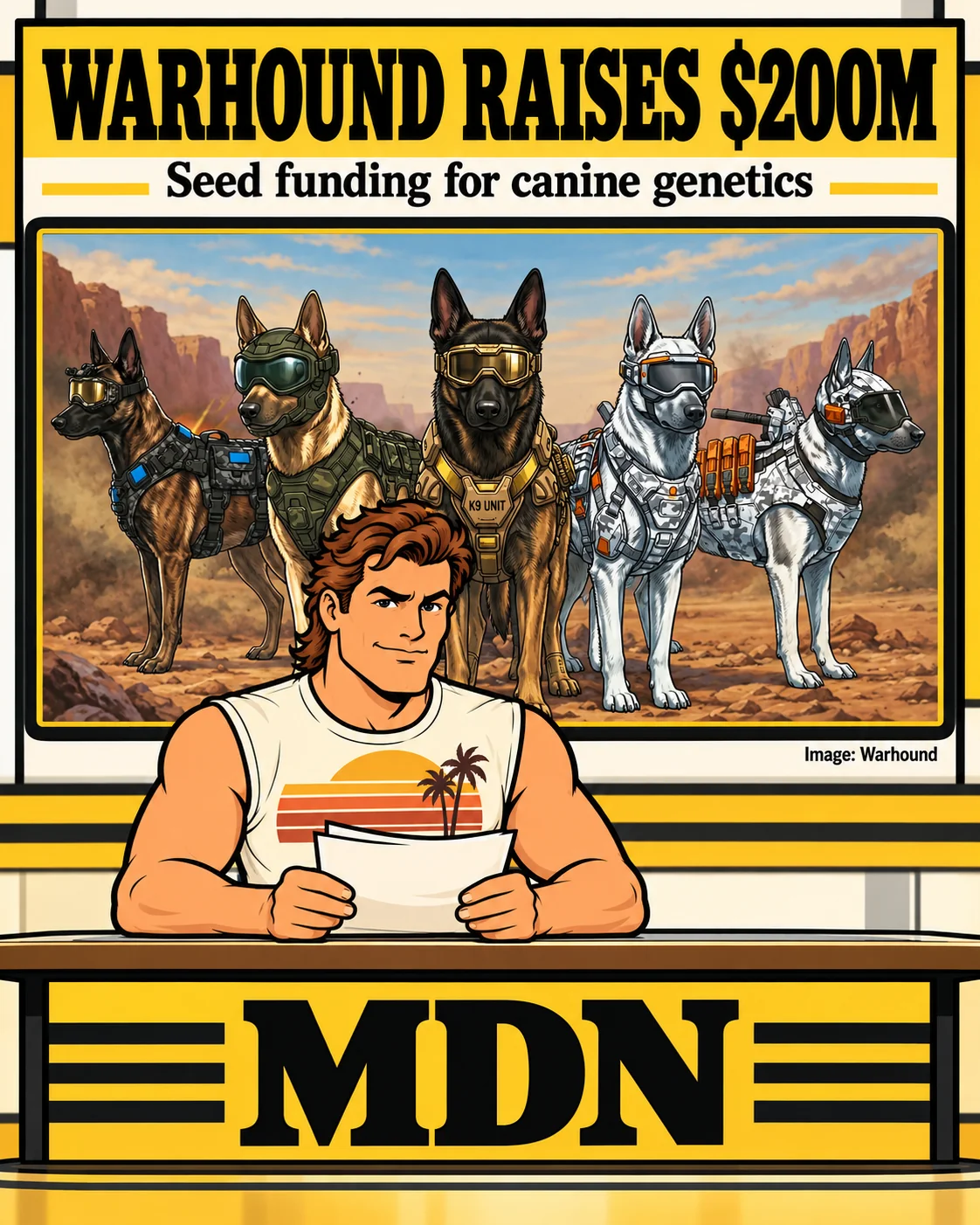
Warhound launched on October 22 with a $200 million seed round to develop working dogs for military, police and emergency-response teams. The money is startup funding, not a military procurement contract. The project was conceived by Colossal Biosciences’ Ben Lamm and Anduril founder Palmer Luckey; former Pentagon chief data officer David Spirk is CEO. Its company announcement describes a plan to clone proven dogs, apply genetic technology and pair them with training and protective equipment.
In an October 22 WIRED interview, Lamm said the first puppies were expected in early 2027. Initial editing would target health conditions; ideas such as adding wolf genes to improve scent detection were longer-term ambitions. He described Anduril’s contribution as equipment such as body armor, not implanted computers. These are plans, not demonstrated enhanced combat dogs.
The science question is what survives the jump from copying DNA to producing a healthy, capable working animal. A 2022 study of dog cloning documented differences between donor dogs and clones, and between clones from the same donor. It supports cloning’s feasibility while showing that matching genetic material does not guarantee identical outcomes. It is not a test of Warhound’s technology. Training, environment and health still matter, and complex performance traits cannot be reduced to a promise about a single edit.
The welfare question belongs alongside performance. Warhound says the American Humane Society will certify its training programs and support retirement reunions and adoption. That commitment should be assessed through outcomes, including the health of donor and surrogate animals, puppy survival and long-term care. PETA’s October 26 statement opposes engineering dogs for dangerous military work and argues for technological alternatives; that is the advocacy group’s position, not evidence of a particular Warhound outcome.
Fortune reported that Warhound had no signed customers or set price per dog at launch. For technology readers, the useful test is what comes after the financing announcement: published health and survival data, training completion and field performance, independent welfare oversight, and actual customer contracts. A large seed round funds that work; it does not validate the results.
Funding is not scientific validation. Watch whether Warhound can demonstrate healthier dogs, reliable training outcomes and responsible lifelong care—not just reproduce DNA.
Receipts, not rumors.
- Warhound company announcement, October 23 repeat of October 22 launch
- WIRED interview, October 22: puppy timeline, editing plans and protective equipment
- Fortune, October 22: customer and pricing status at launch
- Scientific Reports, July 1, 2022: Insights from one thousand cloned dogs
- PETA, October 26: attributed animal-welfare criticism
Read the original reporting: Warhound company announcement
The reporting above provides context. Illustrations are editorial interpretations, not source photographs.
What’s your take?